Little Brown Bat Removal
Little Brown Bat Removal
Serving Cincinnati | Dayton | Mason | West Chester | Fort Thomas
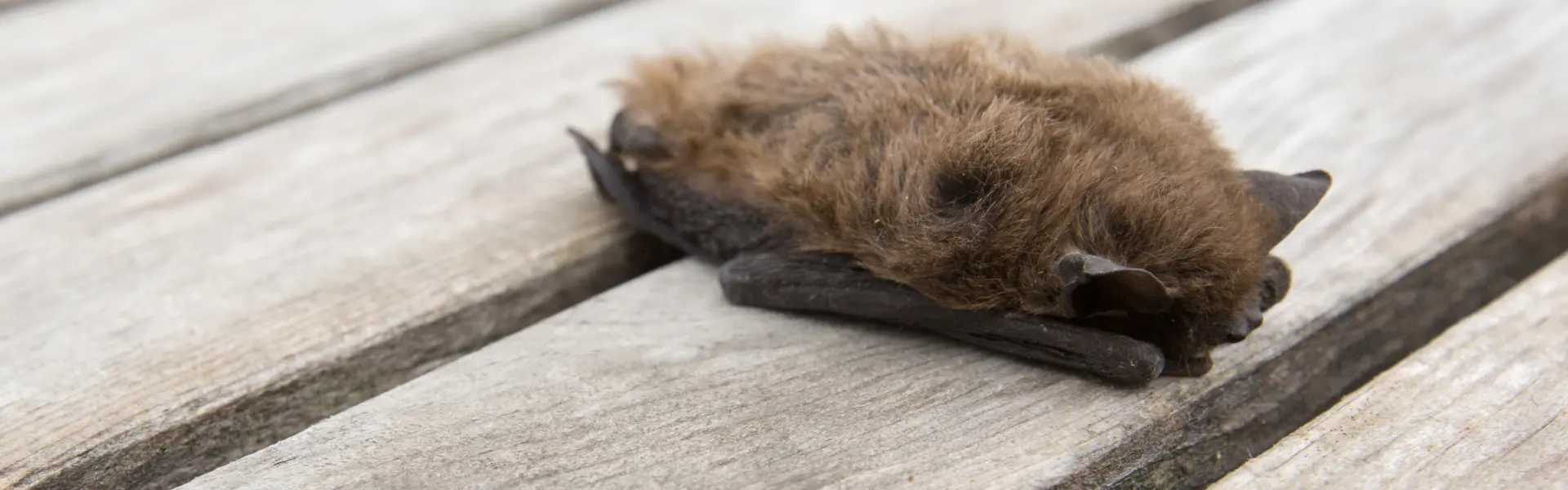
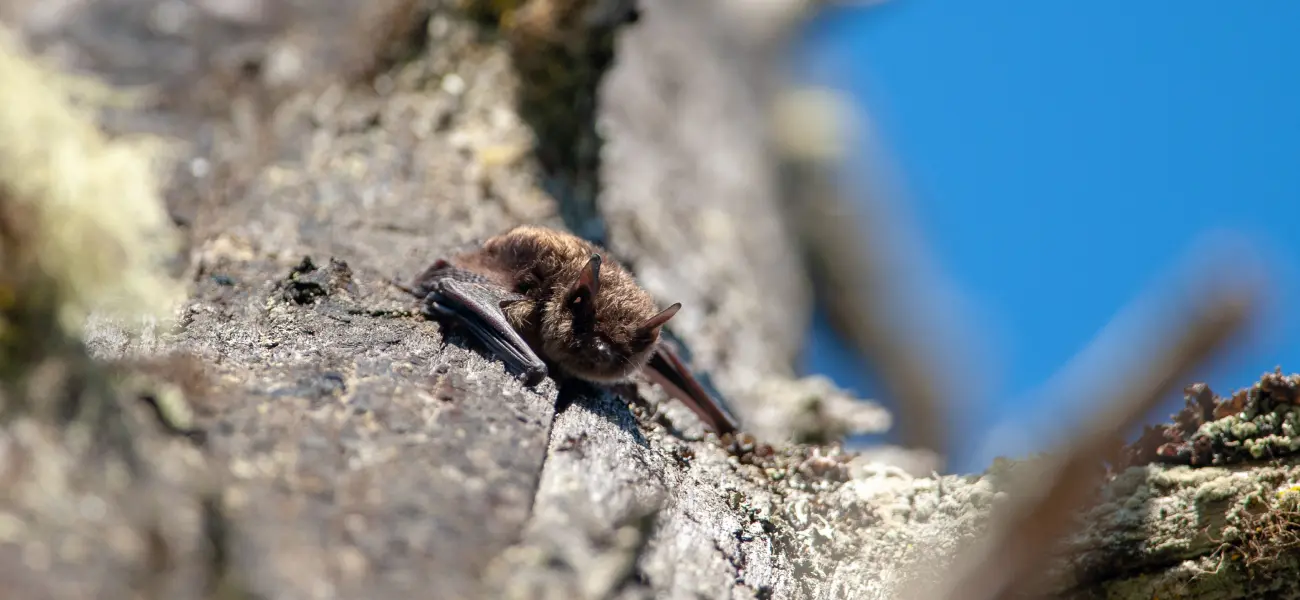
The bat that we experience most in Ohio, Kentucky, and Indiana is The Little Brown Bat (sometimes called little brown myotis) (Myotis lucifugus) is a species of the genus Myotis (mouse-eared bats).
Bats sometimes get a bad reputation however they are not aggressive, and are very beneficial in eliminating insects. Little brown bats for instance are insectivores and eat their weight in mosquitoes a night; they also eat moths, wasps, beetles, gnats, midges and mayflies. Bats aren’t blind. They can see just fine, but they also use echolocation as a means of navigating in flight and finding insects through the air. Bats wings are very similar to our hands and arms, thus the scientific name Chiropteran or hand wing. The bones of the hand and finger are elongated and serve to support and move the wing. The hind limbs of bats are modified for landing and hanging upside-down.
Bats become a nuisance when they roost in large numbers in human dwellings. The rapid accumulation of guano (bat droppings) is unsanitary, and serves as a fertile breeding ground for a fungal disease called Histoplasmosis, which is transferable to humans who breathe in the fungal spores. Bats are also known to carry rabies, a viral disease that causes progressive paralysis and death in mammals, including humans. People are most likely to encounter nuisance bats when a roosting colony takes up residence in a building. Attics make excellent habitat for bats to live due to the combination of temperature, light, and humidity. Bats need only a 1/4 inch or more of space to crawl through in order to enter a home or building. Once inside, if the habitat is good, the colony grows until the homeowner notices the bats flying in and out, notices the droppings in the attic, chimney, outside, or even basement (when the droppings fall down the walls). Sometimes a bat will get lost and find its way out of the attic and into the living space. Occasionally a stray bat may also fly into a house. Getting rid of bats requires extensive training and experience!
Bat Removal, Trapping & Control in Cincinnati, Dayton, Northern Kentucky, and South Eastern Indiana
Bats are classified as a nuisance animal species due to their habits of living in homes and buildings. The most common complaints include the following:
- Little Brown Bats living in the attic.
- Little Brown Bats living in the chimney.
- Little Brown Bats roosting on soffits and woodwork.
- Little Brown Bats entering through holes in siding.
- Little Brown Bat in the basement.
- Little Brown Bats entering through ridge vents and roof vents.
- Little Brown Bats entering through louver vents.
- Little Brown Bat in the house.
For these reasons, many people wish to have nuisance little brown bats excluded from their property.
Little Brown Bat Biology
Their fur is normally dark brown and shiny on the back and upper parts with grey like fur underneath. Adults average about 5-14 grams in weight. They can live beyond 10 years but life spans average 6-7 years. Females have 1 pup per year, sometimes twins, born sometime from late June to early July. The female gives birth to 1 pup after a 50-60 day gestation; baby bats grow quickly; at 3 weeks they learn to fly and at 4 weeks they are adult sized.
At Animal Remover, we’re always ready to help you with your animal removal needs. Contact us for a free, no obligation quote, or call us at (513) 324-9453 to get started today.
Leave your information below and we’ll be in touch shortly. After hours calls will be returned the next business day.
"*" indicates required fields
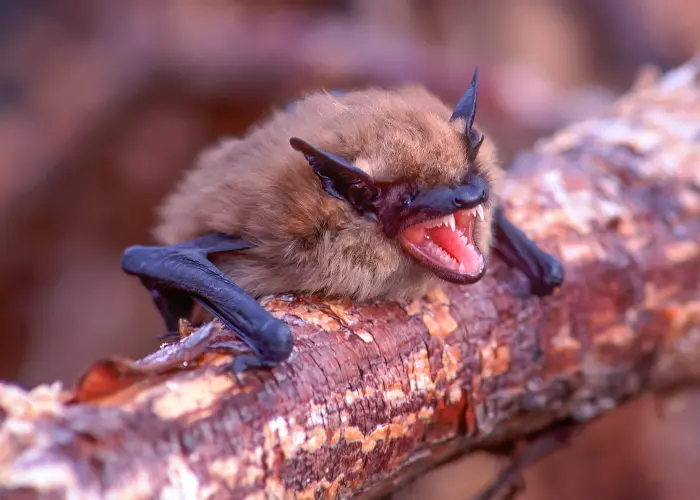
Little Brown Bat Behavior
Little brown bats are most active during dusk and throughout the night. They are insectivores and eat mostly insects particularly mosquitoes. They live in a variety of habitats, both forest and suburban or city areas. During winter it is never a good idea to perform a bat removal or seal up any areas where you expect that you may have had a bat problem due to the fact that the bats may be in hibernation.
Nuisance Concerns
Bats prefer to roost in attics. This creates a big problem because bats will defecate and urinate all over the attic. Bat droppings (guano) are a major health hazard. People breathe in the spores from the guano and are at risk of histoplasmosis. The accumulation of bat droppings (guano) in an attic will also cause damage to attic insulation which can be expensive to have replaced. Bats will also roost in an attic where they will then have their pups (baby bats) and if raised successfully they will return every year to breed again.
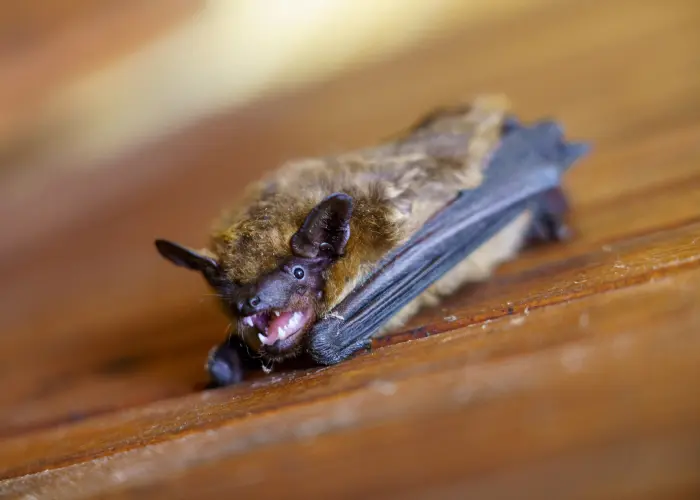
Little Brown Bat Diseases
The presence of little brown bats in and around human habitats can pose significant health risks due to the potential transmission of zoonotic diseases. Little brown bats are known carriers of rabies, a viral infection that can be transmitted to humans through a bite or scratch. In addition, their droppings, or guano, can harbor harmful fungi such as Histoplasma capsulatum, which can cause respiratory issues when inhaled. These zoonotic diseases present a serious concern for human health and safety, emphasizing the importance of promptly addressing little brown bat infestations and removing associated feces.
Proper removal of little brown bat feces is crucial for mitigating the risk of zoonotic disease transmission to humans. Bat guano can contain fungal spores and other pathogens that pose a direct health hazard, especially when disturbed and airborne particles are inhaled. Inhalation of fungal spores from bat droppings can lead to respiratory infections and other serious health issues. Therefore, it is essential to enlist professional removal services to thoroughly clean and sanitize areas affected by bat guano, reducing the risk of exposure to zoonotic diseases and ensuring a safe and healthy environment for occupants.
Furthermore, the removal of bat feces is important for preventing the attraction of other pests and minimizing sanitation concerns. Accumulated guano can emit foul odors and attract insects and rodents, creating an unsanitary environment that compromises the well-being of residents. Additionally, the acidic nature of bat droppings can cause structural damage over time, further emphasizing the need for professional removal to restore affected areas to a clean and safe condition.
By prioritizing the removal of little brown bat feces, homeowners and property occupants can effectively protect themselves from zoonotic diseases and maintain a healthy living environment. Professional removal services not only address immediate health risks but also incorporate preventive measures to deter future bat intrusions, providing comprehensive solutions to little brown bat-related concerns.
What Our Customers Are Saying







Keeping You Wildlife-Free for Over 16 Years
Leave your information below and we’ll be in touch shortly. After hours calls will be returned the next business day.
"*" indicates required fields


