
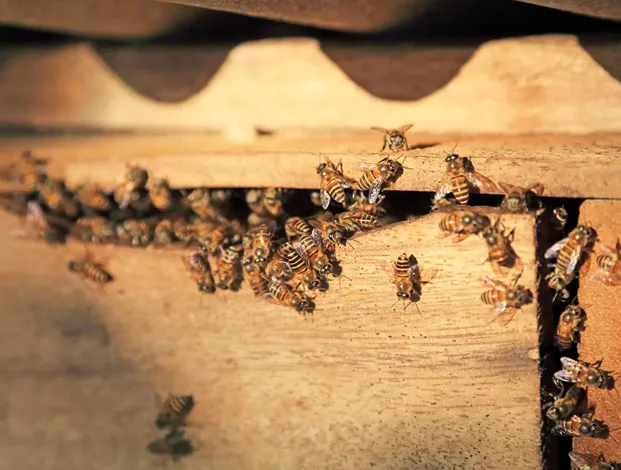
Bee removal is often followed by the question: will they return? Bees are strongly tied to their hive and location, guided by pheromones and memory. If removal is incomplete or entry points remain unsealed, bees may attempt to return to the same spot. Understanding what factors influence return behavior helps explain why professional removal is so important for permanent results.
Why Bees Return
Bees leave behind pheromone trails that mark hive locations. If hive material such as wax or honeycomb is not completely removed, these scents can attract returning bees or new swarms. Structural gaps or unsealed openings provide easy access for them to rebuild. This is why DIY efforts often fail to achieve lasting results.
Prevention Steps
Professionals go beyond removal by cleaning out hive material and sealing access points. They may apply deterrents and reinforce vents, chimneys, and siding to keep bees from returning. Preventive landscaping, like trimming overhanging branches or reducing outdoor attractants, further reduces risks. Complete cleanup and sealing are critical to permanent success. By working with trained specialists, homeowners can make sure bee removal is handled legally, safely, and with long-lasting results. This professional approach not only protects your home but also helps preserve beneficial pollinators in the surrounding environment.
Long Term Outlook
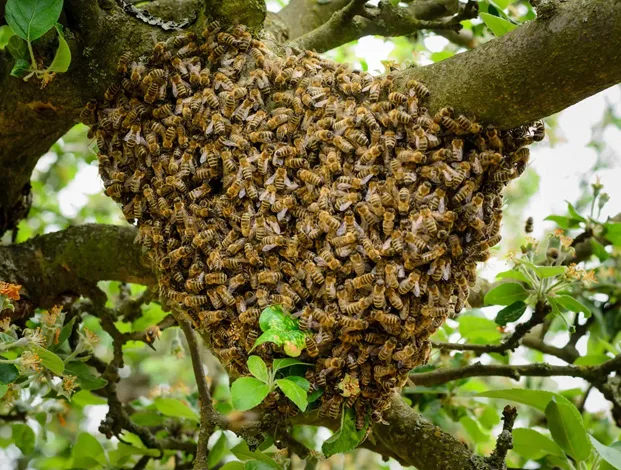
When bee removal is performed correctly, bees rarely return. Relocated colonies establish new homes elsewhere, and sealed structures keep new swarms out. Without proper cleanup, however, the chance of bees coming back remains high. This is why professional expertise matters so much for bee control.
Next Steps
If you suspect bees are trying to return after a removal, do not wait for another infestation to form. Animal Remover provides thorough hive removal, cleanup, and prevention strategies to keep your home safe and bee free long term.