
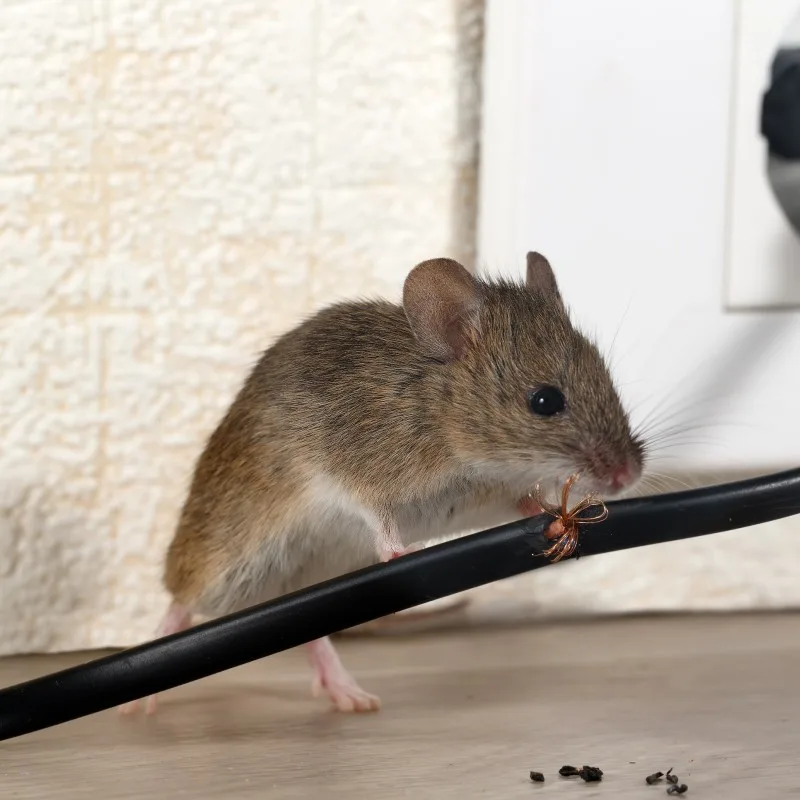
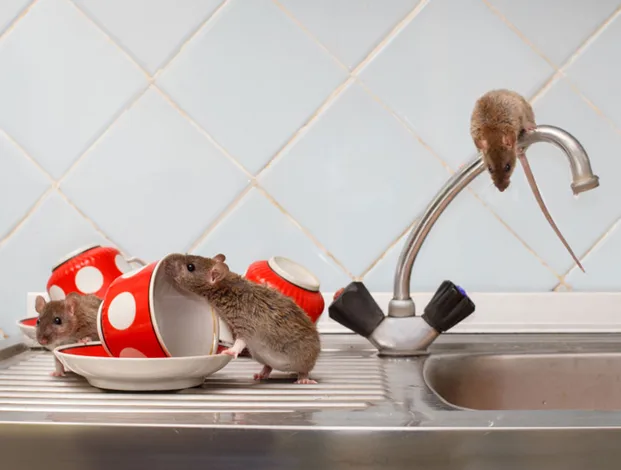
One of the biggest reasons mouse infestations get out of control so quickly is their incredible reproductive rate. Mice reproduce year round when indoors, and they are capable of producing large litters that grow up to breed within weeks. A single mouse may seem harmless, but if conditions are favorable, it can quickly lead to dozens of offspring spreading throughout your home. Understanding litter sizes and reproduction cycles is key to grasping why infestations become overwhelming so fast.
Litter Size and Frequency
On average, a female house mouse gives birth to 6 to 8 babies in each litter, although litters as small as 3 and as large as 12 are possible. With a gestation period of just 19 to 21 days, females are capable of producing a new litter every month. Over the course of a year, a single female can birth 60 or more babies. Since pups mature and are ready to reproduce in about 5 to 6 weeks, infestations can grow exponentially. What begins as a pair of mice can become a colony of hundreds in less than a year if unchecked.
Survival Rates Indoors vs Outdoors
In the wild, not all baby mice survive. Predators, weather, and food shortages reduce survival rates. Indoors, however, conditions are far more favorable. Warmth, steady food supplies, and protection from predators mean most babies reach maturity. That is why homes and businesses often see infestations snowball out of control. Once mice establish a nesting site, every litter increases the colony’s strength and reach, creating more damage and health hazards over time.
Signs of Baby Mice in the Home
Baby mice are born hairless and blind, so homeowners rarely see them directly. More often, nests made of shredded paper, fabric, or insulation signal their presence. Squeaks and high pitched noises coming from walls or attics are also clues. Spotting multiple adult mice almost always means babies are nearby, since adults reproduce constantly. Recognizing these signs early allows for faster intervention before the colony multiplies further.
Health Risks of Growing Colonies
As litter sizes multiply, so do the risks. Droppings contaminate surfaces and food, while urine leaves strong odors and stains. Chewing damages wires, creating fire hazards. Larger colonies also spread parasites such as mites and fleas. The faster mice reproduce, the more difficult cleanup and repairs become. This is why small problems should never be ignored, as babies will mature and add to the cycle rapidly.
Professional Intervention
DIY methods rarely keep up with the speed of mouse reproduction. Traps may remove a few adults, but new litters quickly replace them. Professional rodent control addresses the root of the problem by sealing entry points, removing food sources, and eliminating nests. Animal Remover offers humane, effective removal strategies that break the cycle permanently. Early intervention stops infestations before litter sizes overwhelm your home.
Closing Note
Mice reproduce at alarming rates, and large litters ensure populations rise quickly. Recognizing this fact highlights why swift, professional help is essential to protect your property and health.