
Most people in North America are familiar with the common raccoon, scientifically known as *Procyon lotor*. However, raccoons are not limited to this single species. There are several species across the Americas, each with unique characteristics, behaviors, and habitats. While the common raccoon is the one that frequently causes nuisance issues for homeowners, understanding the diversity of raccoon species helps put these animals in a broader ecological context.
Recognized Raccoon Species
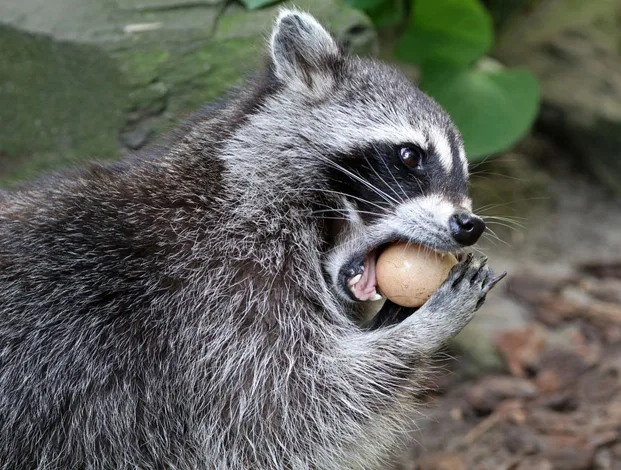
There are at least seven recognized raccoon species within the genus *Procyon*. The most widespread is the common raccoon (*Procyon lotor*), found throughout North America. Other species include the crab eating raccoon (*Procyon cancrivorus*) in South and Central America, and smaller island species such as the Cozumel raccoon (*Procyon pygmaeus*), which is critically endangered. Each species has adapted to its local environment, but all share the distinctive facial mask and ringed tail that make raccoons so recognizable.
Habitat and Range
Common raccoons are highly adaptable, thriving in forests, wetlands, suburbs, and cities. Crab eating raccoons live near coastal areas and wetlands where crabs, mollusks, and aquatic life form much of their diet. Island raccoons like the Cozumel raccoon face unique challenges because their restricted range makes them vulnerable to habitat loss and human activity. Despite differences, all raccoon species rely on dexterity, intelligence, and opportunistic feeding to survive.
Conservation Status
While the common raccoon population is stable and thriving, some raccoon species are endangered. The Cozumel raccoon is listed as critically endangered due to habitat destruction and predation by introduced species. Conservation efforts focus on preserving habitat and reducing human impact to prevent extinction. In contrast, the common raccoon has expanded its range and is considered a nuisance species in many areas due to its adaptability and close interactions with humans.
Implications for Homeowners
For homeowners in the United States, the species they are most likely to encounter is the common raccoon. These animals frequently invade attics, chimneys, and sheds, leaving behind damage and health risks. Although other raccoon species may not live near suburban homes, learning about their diversity underscores the resilience of this animal family. Professional wildlife specialists are trained to identify raccoons correctly, ensuring humane removal and proper exclusion methods.
Closing Perspective
There are multiple raccoon species worldwide, but the common raccoon is the one most people deal with daily. Regardless of the species, Animal Remover provides safe, effective solutions to manage raccoon problems while respecting their role in the natural world.