

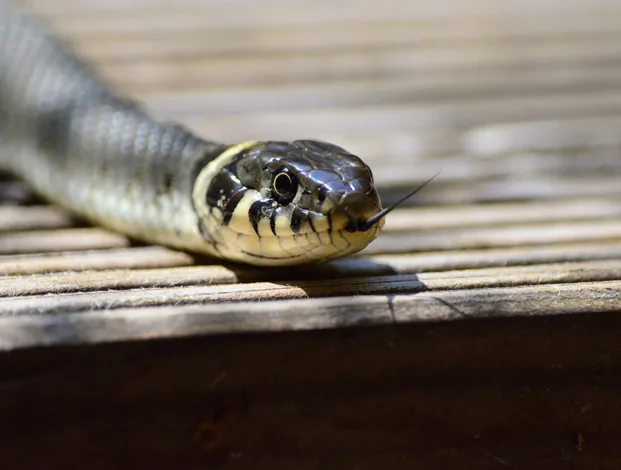
Snakes represent one of the most adaptable groups of reptiles on Earth. They occupy deserts, rainforests, wetlands, mountains, grasslands, and even urban landscapes, surviving wherever prey and shelter overlap. Today, scientists recognize more than 3,700 distinct species of snakes, and that number grows as researchers explore remote regions and use DNA analysis to separate previously grouped populations. From tiny threadsnakes that could coil around your finger to giant pythons weighing hundreds of pounds, their diversity is remarkable. Understanding this variety helps homeowners and communities learn why identification is rarely simple and why professional expertise is often necessary when snakes appear in human spaces.
Families and Classification
Snakes fall into several broad families that help explain their differences. Colubrids, the largest family, include many harmless rodent hunters like rat snakes and garter snakes. Vipers, such as rattlesnakes and adders, are known for their hinged fangs and hemotoxic venom. Elapids include cobras, coral snakes, kraits, and mambas, which carry fixed front fangs and primarily neurotoxic venom. Boas and pythons are nonvenomous constrictors that subdue prey with muscular coils. Sea snakes represent a specialized group adapted to marine life. Blind snakes and worm snakes live underground and are rarely seen by humans. This classification illustrates just how diverse snake biology and behavior can be.
Habitats and Distribution
The highest diversity occurs in tropical regions where warm, stable climates and complex ecosystems support many niches. Rainforests of South America and Southeast Asia harbor hundreds of species, while deserts hold heat-adapted specialists that thrive in extreme conditions. Temperate regions feature fewer species but still support snakes that survive by brumating through cold winters. Even suburban backyards can provide habitat for adaptable snakes if food and shelter are available. For homeowners, this means that snakes are a normal part of most ecosystems and sightings should be expected, not feared.
Why Snake Diversity Matters
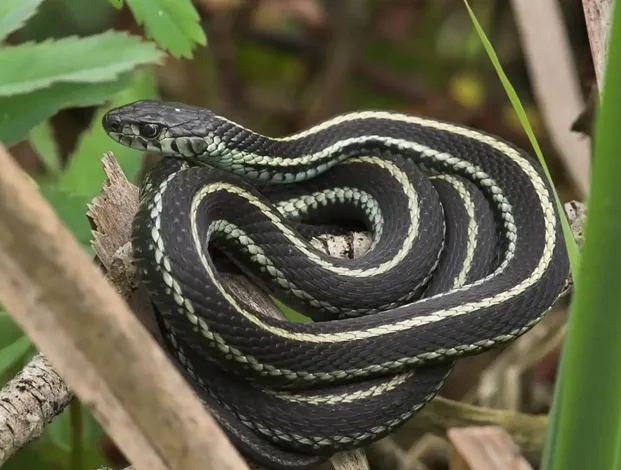
Diversity helps maintain ecological balance. Snakes control rodent populations that could otherwise damage crops and spread disease. They also serve as prey for birds of prey, mammals, and even other snakes. Their varied adaptations, from heat-sensing pits in vipers to specialized lungs in sea snakes, showcase evolution’s creativity. For humans, appreciating diversity means understanding that not all snakes are threats and that most provide valuable ecological services. Still, because harmless and venomous snakes often look similar, professional assistance is the safest path when you encounter them around your property.
What Homeowners Should Do
When you spot a snake, give it space and keep pets and children away. Never attempt to capture or kill it, as misidentification is common and many species are protected by law. Instead, take a photo from a safe distance if identification is necessary and contact a wildlife control service. Animal Remover can safely remove snakes, seal entry points, and provide rodent control to reduce future encounters. With more than 3,700 species in the world, snakes are a diverse but natural part of life, and respecting that diversity ensures safety for both humans and wildlife.