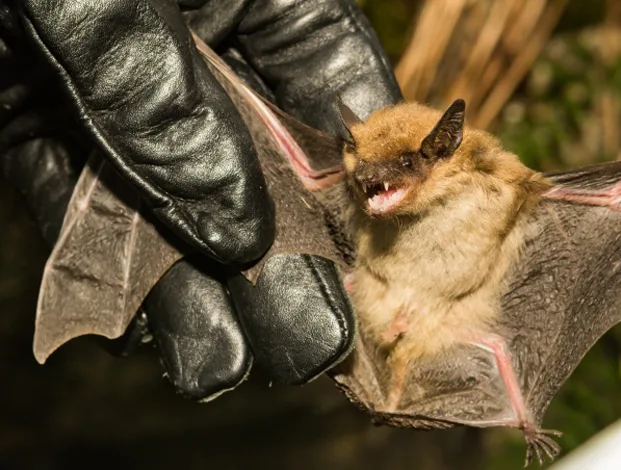
Finding a bat flying around your living room or attic can be alarming, but it is important to remain calm. Bats are protected in many states because of their role in controlling insect populations, which means removing them must be handled carefully and legally. Attempting to capture or harm a bat on your own can lead to injuries or fines. The safest approach involves guiding the bat out of your home without direct contact, sealing entry points afterward, and consulting professionals for long term solutions.
Why Bats Enter Homes
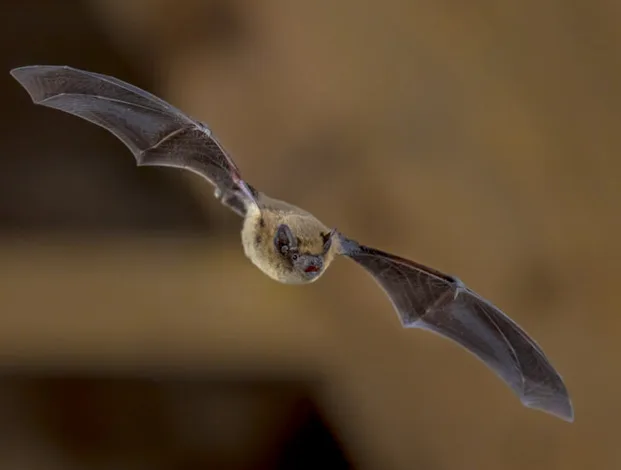
Bats usually enter homes in search of shelter, warmth, or a safe roosting spot. Common entry points include attic vents, loose siding, gaps under rooflines, and uncapped chimneys. Once inside, they may settle in attics, wall voids, or basements. Even small gaps as narrow as half an inch can allow bats to squeeze inside. Homeowners often notice them at night when bats emerge to hunt insects. Understanding these access points is crucial because removing a single bat without sealing the structure may allow others to return. This is especially concerning during maternity season, when female bats gather in attics to raise their young. Removing adults at this time can leave helpless pups behind, leading to odors, mess, and long term infestations.
Safe Immediate Steps
If a bat is flying inside your house, confine it to one room by closing doors and turning off lights. Open windows or doors leading outside and allow the bat to leave on its own. Never attempt to hit or grab the bat, as this risks injury and possible exposure to rabies. Wear gloves if you must handle objects in the same room. Avoid direct contact because even healthy bats can carry parasites. Patience is key, as most bats will find their way out within minutes once given an exit. Afterward, check the area for possible entry points to prevent repeat encounters.
Long Term Prevention
Removing one bat is only a temporary solution if you do not address how it entered. Inspect your roofline, vents, and chimney for gaps. Install screens over vents, add chimney caps, and use caulk or hardware cloth to seal cracks. Because bats are protected, exclusion devices are often recommended. These allow bats to leave a structure but prevent them from returning. Timing exclusion outside of maternity season ensures no young are trapped inside. Professional wildlife control specialists use these humane methods to protect both your home and bat populations.
When to Call Professionals
Professional help is strongly advised if bats are roosting in attics or wall voids, if you discover a colony, or if multiple entry points are present. Wildlife experts can assess your property, install exclusion devices, and repair damaged areas. They also understand local laws that protect bats, ensuring removal is both effective and legal. Animal Remover provides comprehensive bat control services, combining removal, exclusion, and cleanup of guano or contaminated insulation. This complete approach protects your family’s health and keeps bats where they belong, outdoors.
Final Thoughts
Bats are valuable to the environment, but they do not belong inside homes. Safe removal, exclusion, and prevention strategies keep everyone protected. By acting calmly and contacting professionals, you can resolve bat problems without harming the animals or risking your health.