
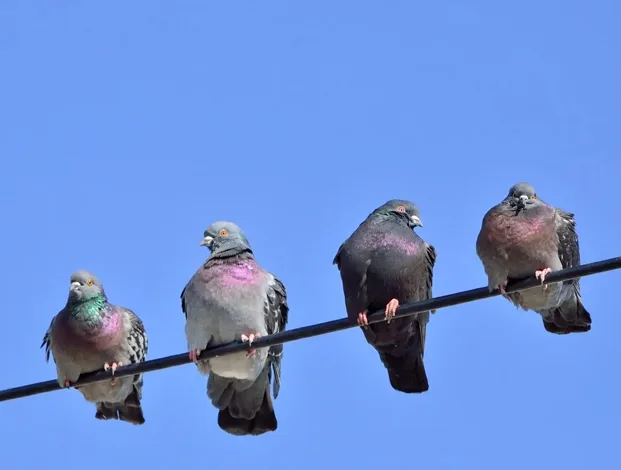
Bird lifespans vary dramatically, with some species living only a few years while others thrive for decades or even longer. To understand which birds live the longest, it helps to consider how biology, size, and environment influence survival. Larger birds generally live longer because they face fewer predators, mature more slowly, and have more efficient metabolisms. Birds with long migratory routes also tend to evolve strong survival traits, which add to their longevity. Among the most famous examples is the Laysan albatross, known to soar over oceans for months at a time and live more than 60 years. In fact, one individual nicknamed “Wisdom” has lived over 70 years and continues to raise chicks. Parrots, particularly macaws and cockatoos, are another record-holding group, often living 50 to 80 years in captivity with proper care. Swans, eagles, and vultures also routinely survive multiple decades, further highlighting how some species are truly built for long lives.
Factors Influencing Longevity
Long-lived birds share a cluster of advantages that stack the odds in their favor. They occupy niches with relatively few predators or they possess defenses—large size, powerful bills, or soaring flight—that reduce daily risk. Many reproduce slowly and invest heavily in each chick, which means adults must survive many seasons to sustain populations; nature selects for durability. Diet matters as well: seabirds exploit rich, predictable upwellings, while parrots access calorie-dense nuts and fruits that fuel long lives. Efficient metabolisms and the ability to enter energy-saving states during storms or lean periods further stretch the lifespan. Intelligence is another edge; highly social, problem-solving species avoid hazards, locate reliable resources, and learn safe routes. In captivity, veterinary care, balanced nutrition, and protection from exposure extend these natural advantages, explaining why parrots and some raptors routinely outlive dogs and cats. Collectively, these traits—low predation, slow reproduction, nutrient-rich diets, efficient physiology, and learned behavior—explain why certain birds can keep thriving for half a century or more.
Why Lifespan Matters
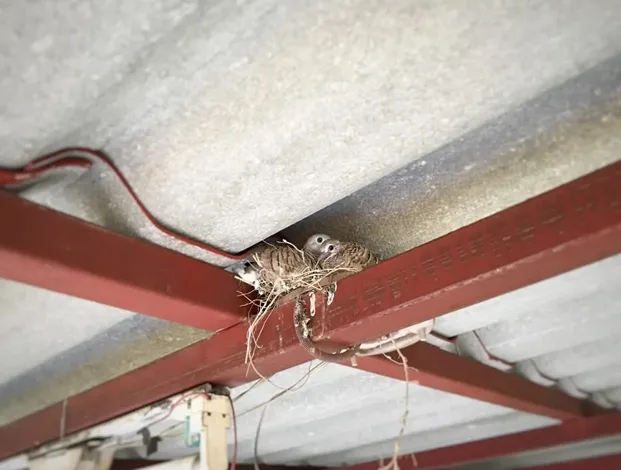
Lifespan isn’t just trivia—it shapes how we protect birds and manage conflicts around homes and businesses. Species that breed slowly recover from losses at a crawl; a few bad seasons of habitat disruption or poisoning can echo for decades. That’s why remediation, not removal, is emphasized for long-lived native species. Around structures, longevity also means persistence: pigeons, crows, and some parrots will return to reliable roosts year after year, passing knowledge to offspring and flockmates. If a roofline, sign, or attic offers shelter, droppings and nesting debris accumulate, corroding surfaces, clogging drains, and creating slip or health hazards. Effective management respects longevity by using humane, durable fixes—exclusion netting, ledge modifications, and sealed entry points—rather than short-term deterrents alone. When problems escalate or protected species are involved, partner with professionals who understand regulations and biology. Animal Remover designs long-horizon solutions that keep properties clean and birds safe.