

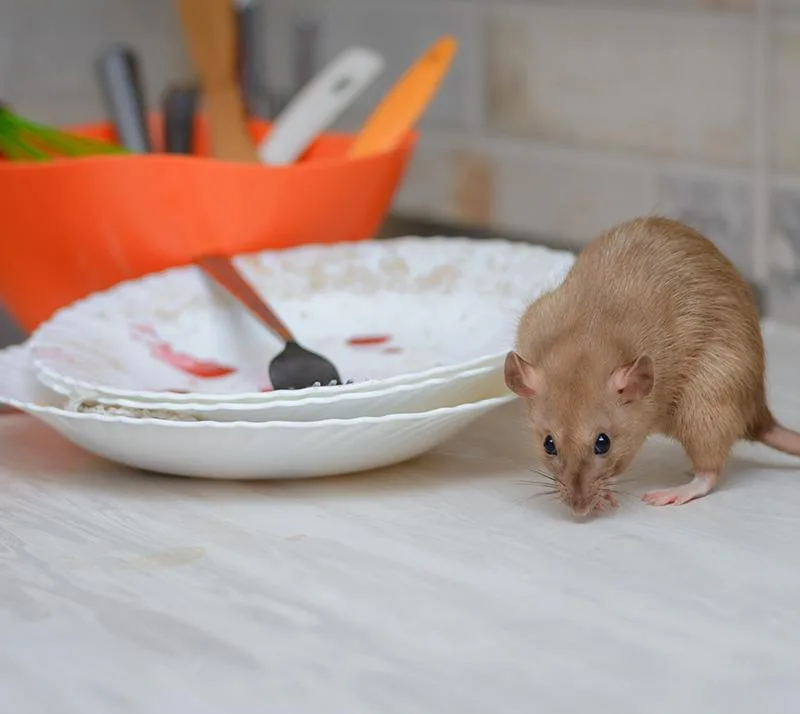
Mice are highly adaptable feeders that will consume almost anything available inside a home. Unlike many wild animals with seasonal diets, mice thrive in human environments because of consistent food access. Their ability to survive on crumbs, packaged foods, and even non-food materials is a major reason infestations become so persistent. Understanding what mice eat indoors helps homeowners identify and eliminate attractants that make houses so appealing to rodents.
Common Household Foods
Mice eat grains, cereals, bread, pasta, rice, and pet food whenever available. They are opportunistic feeders that chew through packaging, contaminating much more than they consume. Pantries, kitchen cabinets, and stored dry goods are frequent targets. Fruits, vegetables, and seeds also attract mice. Even small crumbs under appliances or spilled food in garbage bins are enough to sustain a colony. Their efficient foraging allows them to survive on very little, which is why eliminating every trace of food is so important.
Non-Food Materials
Surprisingly, mice also gnaw on materials not meant to be food. Items like soap, cardboard, insulation, and even electrical wiring may be chewed. While they are not digesting these substances for nutrition, chewing maintains their continuously growing teeth and often gives access to food sources hidden inside walls or containers. This behavior damages property and creates serious risks such as electrical fires. Recognizing that mice target more than just food underscores the need for comprehensive prevention.
Why Indoor Environments Help Mice Thrive
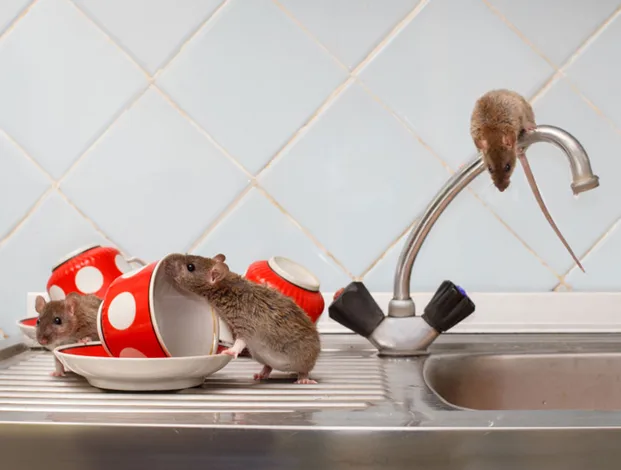
Indoors, mice are free from many natural challenges they face outside. Constant warmth and reliable food supplies mean they can breed continuously and raise larger colonies. Easy access to pantries, garbage, and pet food bowls ensures survival even in harsh winters. The presence of clutter and stored goods gives them both shelter and nesting material, making human spaces ideal compared to the outdoors.
Prevention Strategies
Preventing infestations requires strict sanitation. Store food in airtight containers, clean up crumbs immediately, and avoid leaving pet food out overnight. Regularly take out garbage and keep bins sealed. Seal cracks and gaps to deny access to pantries and kitchens. Reducing clutter in basements, attics, and garages eliminates nesting areas and keeps food sources protected. Animal Remover provides professional exclusion and cleanup services to address infestations and secure homes against repeat problems.
Key Insight
Mice eat a wide variety of foods inside homes, from grains and produce to crumbs and pet food. Combined with gnawing on non-food items, their habits make them destructive and unsanitary. Eliminating attractants and relying on professional help are the most effective ways to keep mice out.