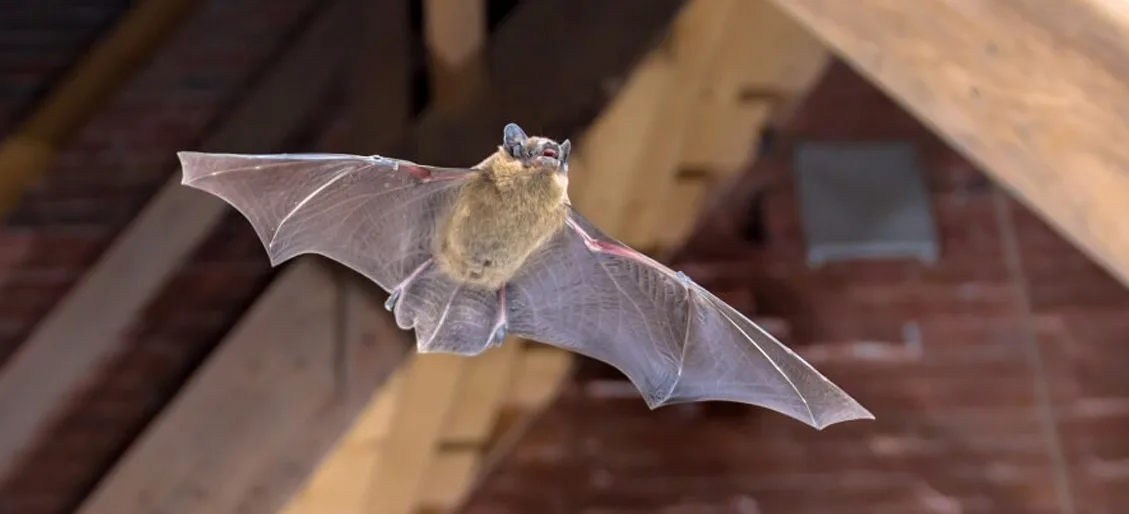
Bats are among the most widespread mammals on the planet, living on every continent except Antarctica. Their adaptability allows them to thrive in deserts, forests, wetlands, and cities. Natural roosting sites include caves, hollow trees, and rocky crevices, while man made structures like barns, attics, and bridges have become common modern habitats. Understanding where bats live is the first step in preventing conflicts when they overlap with human homes and businesses.
Natural Habitats
Bats evolved to roost in places that provide shelter, darkness, and protection from predators. Large caves often host colonies of thousands, while forests provide hollow trees and foliage for smaller groups. In tropical regions, bats may roost in palm fronds or under broad leaves. In deserts, they use rocky cracks and abandoned burrows to escape heat. These diverse natural settings reflect how flexible bats are in finding shelter, which contributes to their global success.
Urban and Suburban Habitats
As human development expands, bats adapt by using man made structures. Attics, barns, church steeples, and warehouses mimic the dark, protected environments they prefer. Bridges and tunnels often serve as day roosts for migrating populations. Unfortunately, when bats choose homes, the result can be messy and unsafe. Guano accumulation damages insulation and creates health hazards. Noise and odors also disrupt households. This overlap explains why professional exclusion is often necessary.
Seasonal Behavior
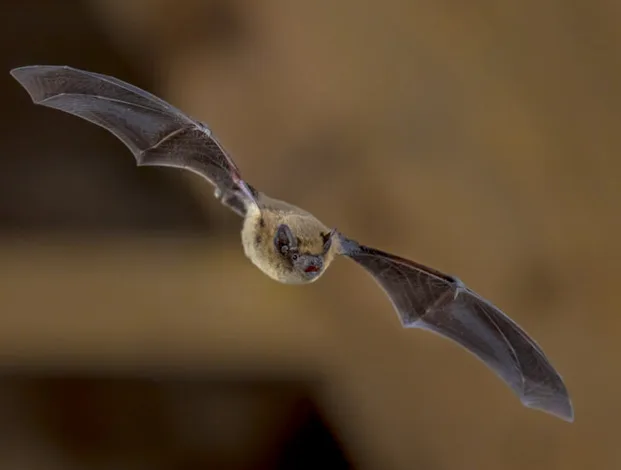
Bats change roosting locations throughout the year. In warm months they occupy maternity sites to raise pups. As temperatures drop, many migrate to caves or mines to hibernate, while others move south to warmer climates. Understanding these seasonal shifts helps determine when and where infestations are most likely to occur. It also influences the timing of safe exclusion practices.
Protecting Your Home
Homeowners can prevent bat invasions by sealing gaps in roofs and siding, capping chimneys, and installing screens over vents. Lighting outdoor areas and reducing insect populations also lowers attraction. If bats are already inside, professional removal is the safest choice. Animal Remover specializes in humane bat exclusion, sealing entry points, and cleaning contaminated areas to restore your home.
Final Thoughts
Bats are found in nearly every environment, but when they take up residence in homes or businesses, they create problems that require expert solutions. Understanding their habitats and behaviors helps homeowners stay proactive and avoid costly infestations.