Bat removal is often necessary because certain species like colonizing bats can cause problems in buildings when they establish roosts. Bats are not flying mice, or rodents for that matter. They are more closely related to shrews or primates.
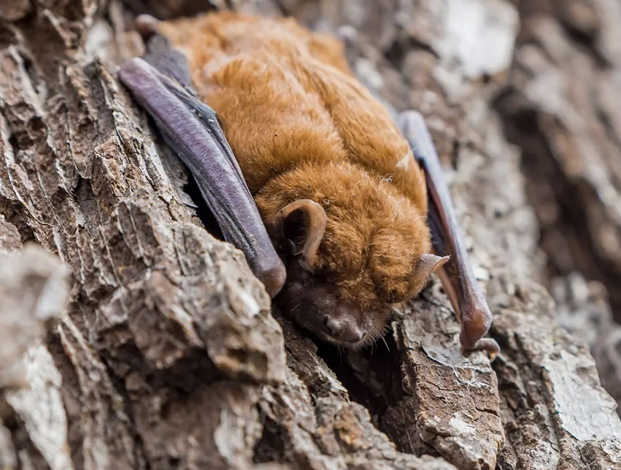
The bat that we experience most in Ohio, Kentucky, and Indiana is The Little Brown Bat (sometimes called little brown myotis) (Myotis lucifugus) is a species of the genus Myotis (mouse-eared bats). Bats sometimes get a bad reputation however they are not aggressive, and are very beneficial in eliminating insects. Little brown bats for instance are insectivores and eat their weight in mosquitoes a night; they also eat moths, wasps, beetles, gnats, midges and mayflies. Bats aren’t blind. They can see just fine, but they also use echolocation as a means of navigating in flight and finding insects through the air. Bats wings are very similar to our hands and arms, thus the scientific name Chiropteran or hand wing. The bones of the hand and finger are elongated and serve to support and move the wing. The hind limbs of bats are modified for landing and hanging upside-down.
Bats become a nuisance when they roost in large numbers in human dwellings. The rapid accumulation of guano (bat droppings) is unsanitary, and serves as a fertile breeding ground for a fungal disease called Histoplasmosis, which is transferable to humans who breathe in the fungal spores. Bats are also known to carry rabies, a viral disease that causes progressive paralysis and death in mammals, including humans. People are most likely to encounter nuisance bats when a roosting colony takes up residence in a building. Attics make excellent habitat for bats to live due to the combination of temperature, light, and humidity. Bats need only a 1/4 inch or more of space to crawl through in order to enter a home or building. Once inside, if the habitat is good, the colony grows until the homeowner notices the bats flying in and out, notices the droppings in the attic, chimney, outside, or even basement (when the droppings fall down the walls). Sometimes a bat will get lost and find its way out of the attic and into the living space. Occasionally a stray bat may also fly into a house. Getting rid of bats requires extensive training and experience!
Bats are classified as a nuisance animal species due to their habits of living in homes and buildings. The most common complaints include the following:
For these reasons, many people wish to have nuisance little brown bats excluded from their property.
Bats living in the attic.
Bats living in the chimney.
Bats roosting on soffits and woodwork.
Bats entering through holes in siding
Bats entering through ridge vents and roof vents.
Bats entering through louver vents.
Bat in the house.
Bat in the basement.
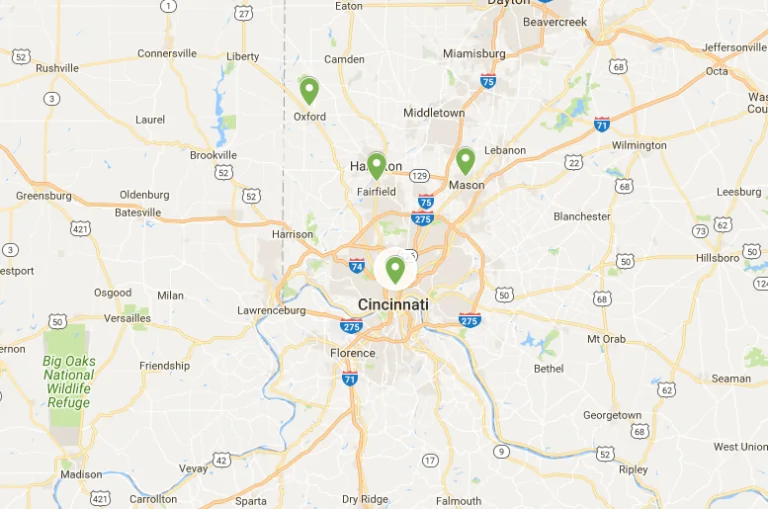
West Chester OH, Mason OH, Fairfield OH, Oxford OH, Northern KY and SE IN

 Animal Remover Wildlife Management and Pest Control