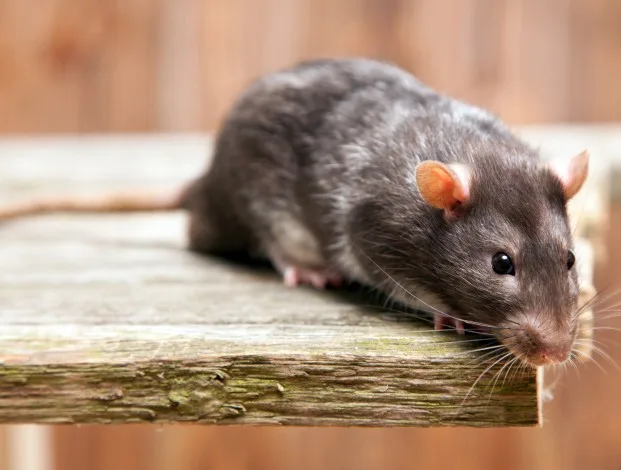
Rats are known for their ability to navigate complex environments in search of food, water, and shelter. How far they travel from their nests depends on the species, environment, and available resources. For homeowners, this knowledge is important because it explains why rats can affect large areas even if their nests are hidden in walls, attics, or underground burrows. Understanding their range helps guide control strategies and explains why infestations spread so easily in neighborhoods and buildings.
Average Distances
On average, rats travel between 100 and 300 feet from their nest to find food and water. Norway rats, for example, typically forage within a 150 foot radius of their burrows. Roof rats, which are more agile climbers, may travel farther and often move across rooftops and utility lines to access food sources. In urban environments, dense food availability may reduce travel distances, but in rural areas with scarce resources, rats may venture farther.
Navigation and Memory
Rats have excellent spatial memory and can recall complex routes to food and shelter. They follow scent trails, structural edges, and landmarks to navigate. Once a food source is located, they create habitual runways that they use nightly. This means that even if food is removed, rats will continue to check the same spot for days or weeks. Their strong memory makes them difficult to control without sealing access points and removing attractants.
Implications for Homeowners
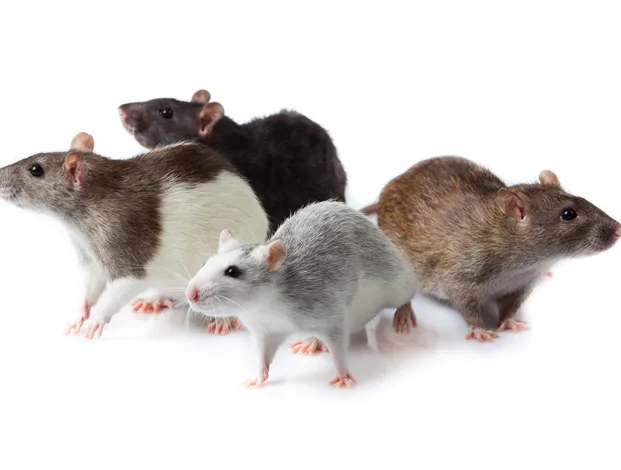
Because rats can cover large ranges, an infestation in one home often affects surrounding properties. They may nest in a neighbor’s garage but forage in your kitchen. Outdoor food sources like bird feeders, compost bins, and pet dishes attract rats from farther away. This wide range of travel explains why infestations can seem to appear suddenly even when nests are hidden. Controlling them requires addressing not only your property but also nearby conditions that sustain populations.
Professional Control Strategies
Professionals map out rat runways, identify nests, and eliminate attractants to reduce travel ranges. Sealing entry points, trimming vegetation, and securing food sources all help make properties less appealing. Animal Remover provides comprehensive rat control, ensuring that even if nests are off property, your home remains secure from foraging rodents.
Takeaway
Rats may travel far from their nests, but understanding their foraging range allows for smarter prevention. By eliminating attractants and securing structures, homeowners can limit rat activity and keep infestations at bay.