
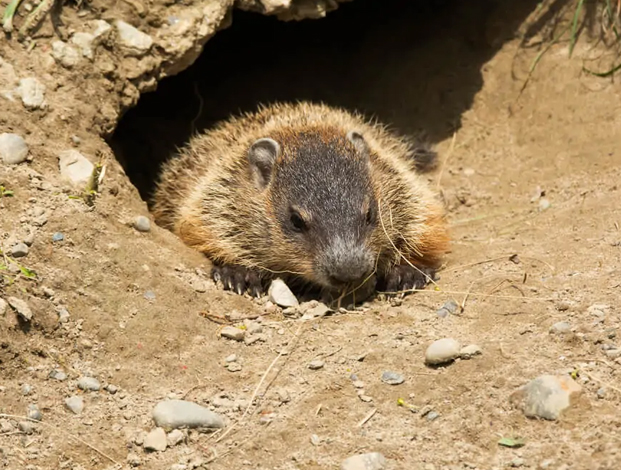
Groundhogs are skilled burrowers and rely on underground tunnel systems for shelter, hibernation, and raising young. But many homeowners are surprised to learn how far groundhogs will travel once they leave the safety of their dens. Understanding their travel range is key to predicting where they might cause damage and how to prevent recurring infestations. By knowing how far they go, you can anticipate risks and protect your property more effectively.

Average Range of Groundhogs
On a daily basis, most groundhogs rarely travel more than 100 to 150 feet from their burrow. Staying close allows them to forage safely for grasses, clover, fruits, and vegetables while still having a quick escape route back underground. Their proximity to the burrow explains why you’ll often see concentrated feeding damage near tunnel entrances. This limited range makes them predictable, but it also means that if they find abundant food in your garden, they are likely to establish a den nearby.
Seasonal and Mating Movements
Although most of their travel is localized, groundhogs may roam farther during certain times of year. In early spring, males may travel up to half a mile to find mates. During late summer and fall, they often venture farther to fatten up before hibernation. These longer excursions explain why you might suddenly see groundhog activity even if you haven’t noticed a nearby burrow before. Once food sources are identified, they may dig new tunnels closer to those areas, creating additional damage zones.
Why Travel Range Matters to Homeowners
Knowing how far groundhogs travel helps you identify potential problem areas. If you see plants disappearing or lawns being chewed up farther away from visible burrows, it could mean the animal is traveling from another den or scouting a location to build a new one. This is why filling a single hole rarely solves the problem long-term. Groundhogs can maintain multiple burrows within their range, each with several entrances, making them tough to eradicate without professional help.
Risks of Extensive Burrowing
As groundhogs expand their range, they may tunnel under sheds, decks, or even structural foundations. These tunnels weaken soil stability and can cause serious property damage. In addition, long travel distances increase the chances of groundhogs spreading parasites or ticks to new areas. Their wide-ranging behavior also makes gardens especially vulnerable since they will feed wherever they can find the easiest food source.
Managing Groundhog Movement
The best way to manage groundhog movement is by combining prevention with professional removal. Installing fences at least 12–18 inches underground reduces access to gardens, while habitat modification removes attractive cover. Exclusion doors and live trapping can help eliminate active burrows, but unless all tunnels in the area are addressed, new groundhogs may move in. This is where professional expertise becomes crucial. Animal Remover provides safe, humane, and permanent removal services that account for the travel patterns and behavior of these animals.
By understanding how far groundhogs travel and implementing proactive control measures, you can prevent ongoing damage and reclaim your property. Whether they stay close to home or venture farther in search of food, a well-planned strategy ensures long-term protection and peace of mind.

 Animal Remover Wildlife Management and Pest Control