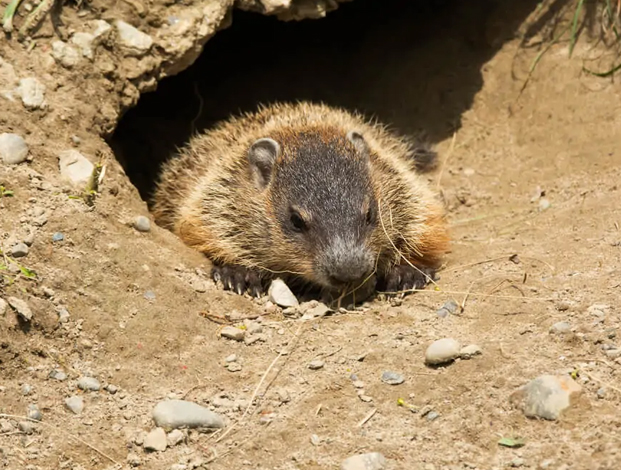
Relocating groundhogs is one of the most common questions homeowners ask after trapping these persistent animals. Once a groundhog has been captured, deciding where and how far to relocate it is critical for both the animal’s survival and the prevention of recurring issues. Releasing too close to your home may allow the groundhog to return, while improper relocation can expose the animal to unfamiliar environments that reduce its survival chances.
Recommended Relocation Distances
Wildlife experts generally recommend relocating groundhogs a minimum of 5 to 10 miles away from the original capture site. This distance makes it far less likely for the groundhog to find its way back. The new location should be a wooded or open field area with adequate food and cover to give the animal a reasonable chance of survival. If you release a groundhog closer than this, especially within a mile of your home, you run a high risk of seeing the same animal return and continue burrowing under your property.
Legal Considerations
It’s important to understand that relocation laws differ from state to state. Some states prohibit moving wildlife more than a certain distance, while others require permits to relocate at all. These laws are in place to protect ecosystems and prevent the spread of diseases between wildlife populations. Before relocating a trapped groundhog, always check with your local wildlife agency to make sure you are acting within the law. Ignoring regulations can lead to fines or further complications.

Challenges with Relocation
While relocation may seem like a humane option, it comes with risks. Groundhogs are territorial and often unfamiliar with the environment they are released into. This can make them vulnerable to predators, competition, or even starvation. Relocated animals may also spread parasites or diseases to new areas. Because of these risks, many professionals view exclusion and prevention as more sustainable solutions than relocation alone.
Why Use Professionals
Professional wildlife removal companies know the best relocation practices that balance humane treatment with effectiveness. They also understand the local regulations and have the equipment to trap, transport, and release groundhogs safely. Attempting relocation on your own can be stressful for both you and the animal, and often results in repeat problems. By working with experts, you ensure compliance with laws and achieve long-term results.
When you have a groundhog problem on your property, relying solely on trapping and relocating may not be enough. Combining relocation with prevention, habitat modification, and exclusion fencing provides the most lasting solution. For humane removal and effective long-term strategies, trust Animal Remover to guide you through the process.

 Animal Remover Wildlife Management and Pest Control