Relocating raccoons is a topic that often comes up when these animals find their way into attics, crawlspaces, or sheds. Many homeowners assume that capturing a raccoon and releasing it a short distance away is a humane solution. In reality, relocation is complex, risky for the animal, and sometimes ineffective if not done properly. Understanding how far raccoons can be relocated, and the consequences of doing so, helps highlight why professional removal and exclusion are often better options than simply transporting them elsewhere.
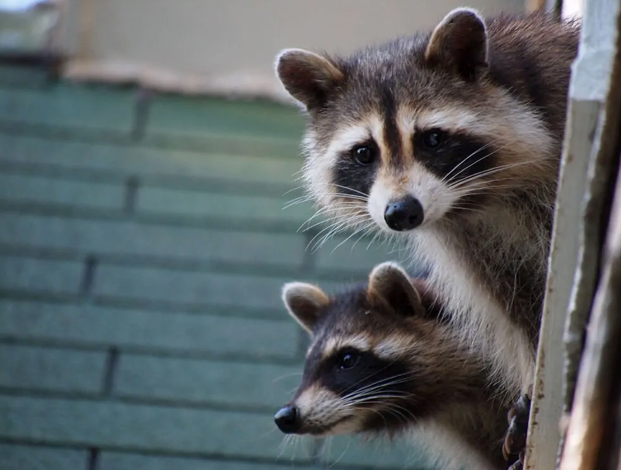
Experts often recommend relocating raccoons at least 5 to 10 miles from where they were captured. Any closer, and the raccoon may return using its excellent memory and navigational skills. These animals are intelligent, resourceful, and capable of retracing routes. Relocating too far, however, increases risks to the raccoon because it enters unfamiliar territory already occupied by other animals. The stress of relocation often reduces survival chances, making this practice less humane than it may initially seem.
In many states, wildlife laws regulate or even prohibit raccoon relocation. Transporting raccoons across county or state lines can spread diseases like rabies or canine distemper. Local authorities often require that raccoons be handled by licensed wildlife control operators to protect both humans and ecosystems. DIY relocation may result in fines or penalties if it violates these regulations.

Raccoons relocated to new habitats may struggle to find food and shelter. Established raccoons defend their territories, and conflicts can lead to injury or death. Food sources in rural areas may not match the abundance raccoons find in urban settings, leading to starvation. For these reasons, relocation is often not as humane as it appears. Instead, exclusion methods that prevent re entry into structures provide longer lasting and safer results.
Rather than focusing solely on how far to relocate a raccoon, homeowners should consider why the raccoon was there in the first place. Food attractants like pet dishes, unsecured trash, and bird feeders often lure them close to homes. Exclusion methods such as sealing entry points, securing garbage, and removing attractants prevent future issues. Animal Remover specializes in humane raccoon removal and exclusion that eliminates the need for risky relocation.
Relocation may seem like a quick fix, but it rarely addresses the root cause of raccoon problems. Humane exclusion keeps both people and raccoons safe while delivering lasting results.

 Animal Remover Wildlife Management and Pest Control