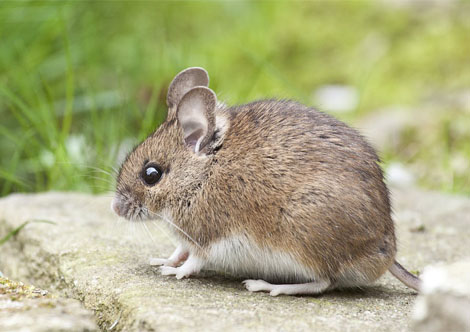
Mice are among the fastest breeding mammals relative to their size. A single pair of mice can quickly turn into dozens if left unchecked, making reproduction one of the biggest reasons infestations spiral out of control. Female house mice reach sexual maturity in just five to six weeks and can breed throughout the year under favorable indoor conditions. Unlike seasonal animals, mice do not have strict breeding times, which is why homes, businesses, and farms can experience sudden population booms any month of the year.
After mating, gestation lasts just about 19 to 21 days. Females give birth to litters averaging six to eight pups, though larger litters are not unusual. Within 24 hours of giving birth, a female can become pregnant again. This rapid cycle allows a single female to produce 5 to 10 litters per year. Combined with the short time it takes offspring to reach maturity, populations can expand exponentially. This is why an infestation that seems small can quickly feel overwhelming if not addressed immediately.
Food availability, warmth, and shelter determine how rapidly mice reproduce. Inside homes, where food crumbs, pet food, and nesting materials are easy to find, mice reproduce at their maximum rate. Outdoors, cold weather may slow them down, but indoor access negates seasonal limits. Urban environments with garbage, gardens, and storage areas are especially favorable. This adaptability is one reason mice are among the most successful mammals worldwide.
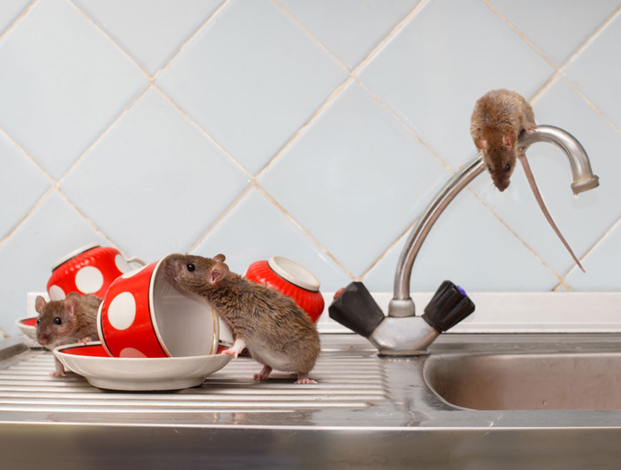
The rapid breeding cycle also multiplies the risks mice pose. Their droppings contaminate food, spread bacteria, and can trigger allergies. Chewing damages wiring, insulation, and stored belongings. As numbers grow, so does the amount of waste and destruction. Small signs such as gnaw marks, musky odors, or droppings should never be ignored because they likely indicate more mice are hidden nearby. The longer a colony reproduces unchecked, the more costly cleanup and repair become.
Controlling mice requires more than traps or poisons because of their fast reproductive cycle. Comprehensive control addresses food sources, entry points, and nesting sites in addition to removing existing rodents. Animal Remover provides expert rodent removal and prevention strategies to ensure infestations are eliminated at the source. By acting quickly, you stop the cycle of reproduction before populations grow unmanageable.
Mice reproduce at astonishing speed, making early detection and professional intervention critical. If you suspect even a small infestation, addressing it immediately can prevent the exponential growth that makes mouse problems so difficult to solve.

 Animal Remover Wildlife Management and Pest Control