
Snakes are opportunistic predators that eat far less frequently than mammals or birds. Because they swallow prey whole and digest slowly, many species can go days, weeks, or even months between meals depending on temperature, prey size, age, and season. Understanding snake feeding rhythms helps explain why you might suddenly see a snake in your yard after a rain or during warm evenings, since those conditions align with prey movement and digestion. It also informs safe prevention, because when you remove food sources like rodents and shelter like cluttered woodpiles, snakes have fewer reasons to hang around.
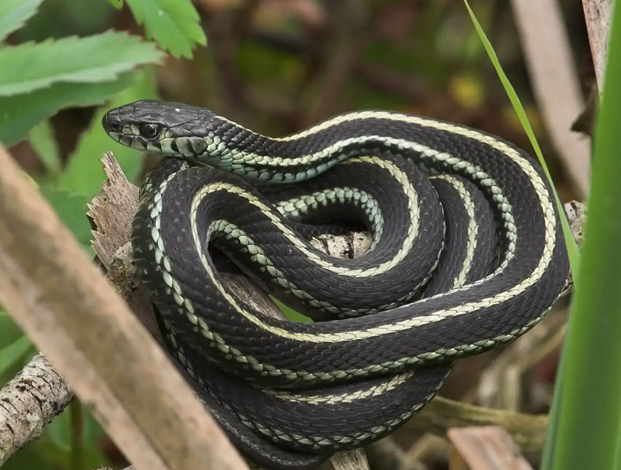
How often does a snake need to eat? It depends on body size, metabolism, and ambient temperature. Small active species like garter snakes often eat more frequently, every few days in peak summer, because they burn energy quickly chasing earthworms, amphibians, or small fish. Juveniles of many species also feed more often than adults, sometimes weekly, to fuel growth. Larger constrictors or ambush predators such as rat snakes, kingsnakes, and many pit vipers can eat a sizable rodent and then skip meals for one to three weeks while they digest. In cooler climates or during brumation, a winter dormancy comparable to hibernation, feeding slows dramatically or stops altogether as snakes conserve energy and rely on stored reserves until temperatures rise. Reproductive cycles matter as well, since gravid females may eat less as space is limited by developing eggs and then resume normal feeding after laying or giving birth. Finally, prey availability dictates real world schedules, because after heavy rains or at dawn and dusk prey moves, snakes take advantage, and then disappear to digest.
Unlike mammals that chew and process food in stages, snakes invest energy up front to capture and swallow prey, then shift metabolism to digestion mode for days. A single meal that is roughly fifteen to twenty five percent of a snake’s body mass can sustain it for weeks, especially if temperatures are optimal for enzymatic activity. This is why you might spot a snake basking after feeding, because warmth speeds digestion, shortens the vulnerable period when movement is sluggish, and returns the animal to peak condition sooner.

Frequent rodent activity attracts snakes. If mice and rats are plentiful around sheds, chicken coops, compost, or bird feeders, rat snakes and kingsnakes will follow the food. Cut off the buffet and you cut down sightings. Keep grass low, store firewood off the ground, and seal gaps under steps or sheds to eliminate cozy rodent to snake corridors. Night lighting can change prey movement, so where practical, use motion activated lights rather than constant illumination that attracts insects and then small predators. Never attempt to hand feed, relocate, or kill a snake, since misidentification is common and many species are protected. If a snake remains on your property or has entered a structure, contact professionals. Animal Remover can safely identify the species, remove the animal, and implement exclusion so you do not see the same pattern next week.
Back away if you encounter a coiled defensive snake and give it time and space. Wear gloves and boots when clearing debris. Teach pets to avoid snakes and supervise them in tall grass. Professional assessment keeps everyone safe, including wildlife.

 Animal Remover Wildlife Management and Pest Control