Bats follow seasonal cycles that determine when removal is safe and legal. Attempting to exclude them at the wrong time can trap young bats inside, creating health hazards and violating wildlife protections. The best seasons for removal are late summer through early fall and late winter through early spring, when bats are either migrating or active without dependent pups. Understanding these patterns ensures that exclusion devices are effective and humane.
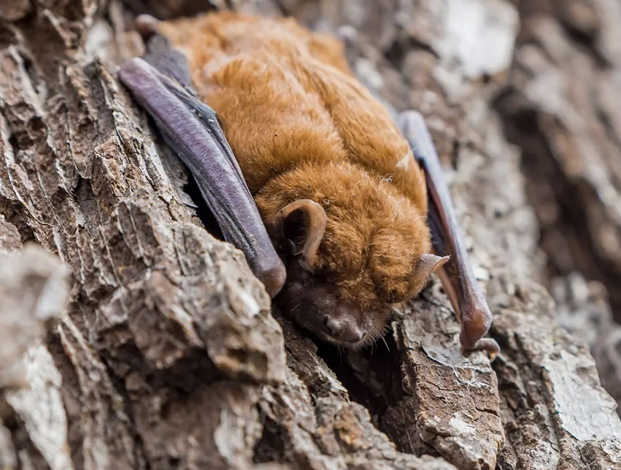
During late spring and early summer, female bats form maternity colonies in attics or barns. They give birth to pups that cannot fly for several weeks. If adults are excluded during this period, the pups are left behind to die, leading to strong odors, insect infestations, and potential health hazards. Excluding bats during maternity season is both inhumane and often illegal. By contrast, fall and early spring provide windows when bats are active enough to leave through one way devices but not raising dependent young. These windows are the safest and most effective times to address infestations.
Different climates affect timing. In colder regions, bats hibernate in caves or attics during winter, making exclusion impossible until they awaken. In warmer climates, bats may remain active year round, though activity levels still vary with insect populations. Homeowners should always consult local wildlife experts to determine the best removal period for their area. This ensures compliance with laws and maximizes success. A professional assessment also confirms whether bats are in a maternity phase or preparing for hibernation.

Wildlife control specialists carefully time bat removal. They install exclusion devices that allow bats to exit but not reenter. They also seal all other openings to prevent bats from finding new access points. Cleanup of guano and contaminated insulation often follows removal, since droppings can carry fungal spores that affect air quality. Animal Remover uses humane, legal, and effective strategies to ensure bat infestations are resolved permanently while protecting the animals themselves.
The best time for bat removal depends on biology and local climate. By scheduling exclusion during safe periods and relying on professional expertise, you protect your home and comply with wildlife laws. Proper timing ensures bats can continue their important role in ecosystems while staying out of your attic.

 Animal Remover Wildlife Management and Pest Control