Yellow jackets are among the most dangerous stinging insect problems for homes, businesses, rental properties, schools, restaurants, warehouses, and outdoor spaces in Cincinnati and the surrounding region. They are fast, defensive, and capable of stinging repeatedly—and nests are often hidden underground or inside structures.
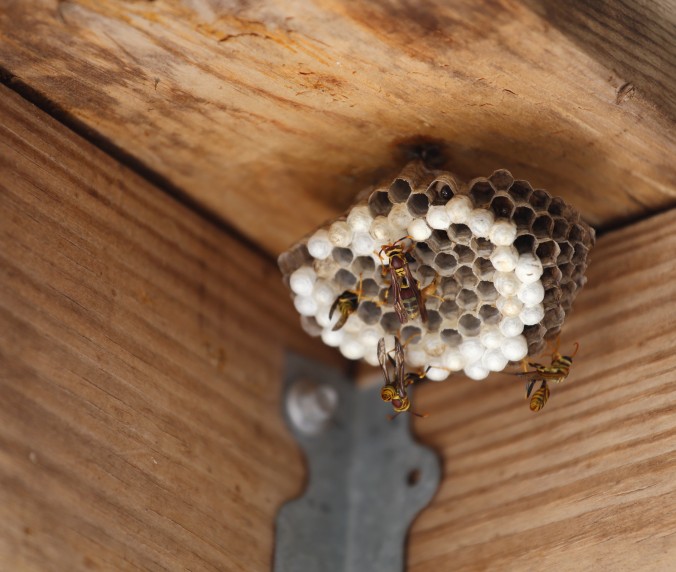
When yellow jackets are active around your property, speed matters. A hidden nest near a yard, sidewalk, deck, patio, playground, driveway, business entrance, dumpster, outdoor dining area, or work zone can create an immediate safety concern.
Yellow jackets often sting when their nest is disturbed—from mowing, trimming, landscaping, walking through the yard, moving outdoor furniture, working near siding, cleaning gutters, or simply getting too close to an active entrance.
Animal Remover responds quickly because nests can escalate fast. A small-looking hole in the ground or a tiny gap in siding may lead to a large hidden colony.
Call 513-324-9453 for fast yellow jacket removal in Cincinnati and surrounding areas.
Animal Remover provides fast yellow jacket removal, yellow jacket nest treatment, yellow jacket cutouts, and structural yellow jacket nest removal throughout Cincinnati and the surrounding areas. We handle both ground-nesting yellow jackets and yellow jackets inside walls and structures.
If you see yellow jackets flying into the ground, siding, brick, soffit, roofline, wall, ceiling, crawlspace, shed, garage, or another structural opening, call Animal Remover at 513-324-9453.
Yellow jackets are social wasps that live in colonies. They are commonly mistaken for bees, but yellow jackets are not honeybees. They are usually black and yellow, smooth-bodied, fast-moving, and more defensive around the nest.
Unlike honeybees, yellow jackets do not lose their stinger after stinging—they can sting more than once. They are scavengers and predators as well; they feed on insects, meats, sugary liquids, fruit, garbage, outdoor food, and other sources. That is why activity often ramps up near trash cans, picnics, cookouts, restaurants, patios, and outdoor eating areas later in the season.
In Cincinnati and the surrounding region, property owners commonly deal with eastern yellow jackets and German yellow jackets. Both can cause serious problems when nesting near people or inside structures.
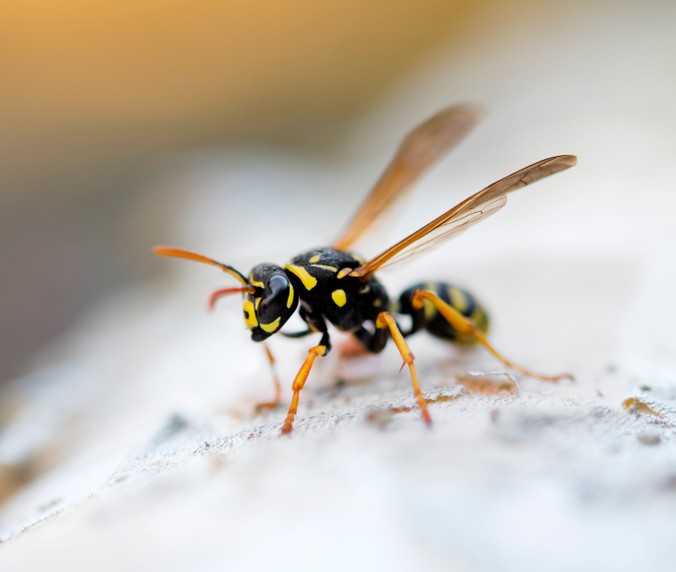
Eastern Yellow Jacket Removal
Eastern yellow jackets are commonly associated with ground nests. They often use existing underground cavities rather than building in the open.
An eastern yellow jacket nest may be located in:
The entrance may look like a small hole in the ground with yellow jackets flying in and out. Sometimes grass, mulch, weeds, leaves, shrubs, or landscaping hides it. Ground nests are especially risky—mowing over the nest, stepping near the entrance, trimming around it, or a dog crossing the colony can provoke repeated stings.
German Yellow Jacket Removal
German yellow jackets are commonly associated with nesting inside structures—protected voids inside homes, businesses, sheds, garages, commercial buildings, and similar sites.
German yellow jackets may nest inside:
If you see insects repeatedly flying into a gap in siding, brick, trim, soffit, fascia, roofline, or foundation, there may be a nest inside.
Do not seal the hole, spray it yourself, or block the entrance. Call Animal Remover at 513-324-9453.
Yellow jacket nests are often difficult to identify—the nest itself may be hidden while you only see the entrance.
Common signs include:
Ground nests may look small outside while the colony below is far larger; structural nests may not be visible at all.
When a nest is disturbed, multiple defenders may emerge at once. Multiple stings in a short window are common.
Animal Remover is not a medical provider, and this page is not medical advice. If someone has been stung and experiences difficulty breathing, swelling of the face or throat, chest pain, dizziness, nausea, hives, weakness, confusion, or any other serious symptom, seek emergency medical attention immediately. If someone has a known sting allergy or has been stung many times, do not wait.
Wall, ceiling, soffit, attic, or void nests differ from typical ground nests. An active colony may contain adults, eggs, larvae, pupae, nest material, moisture, and food brought inside.
If the colony dies in the wall and the nest stays, leftover material can cause odor, moisture problems, staining, secondary pests, and ongoing issues inside the cavity. Decay can smell similar to dead animal odors as larvae, eggs, nest material, and adults break down. That is why some wall nests need a cutout rather than treatment alone.
Yellow Jacket Wall Nests and Moisture
Moisture inside the nest may affect drywall, insulation, wood, and surrounding materials—especially when the cavity is enclosed. Treatment without removal may still leave moisture and organic matter depending on nest size and location.
Animal Remover evaluates every structural nest to decide whether treatment alone is adequate or cutout removal is the better option.
Yellow jackets in a wall can weaken drywall—in some cases until it is thin as paper—then break through into living spaces. That is why you should not seal the exterior entrance while activity is ongoing: sealing too soon can trap insects that then seek another route—often into your home or business.
Sealing siding, soffits, brick, trim, walls, rooflines, or foundations while the colony is active can drive yellow jackets inward into rooms, ceilings, lights, vents, and living areas.
Animal Remover seals entry points at the correct stage once the colony has been addressed. Call 513-324-9453 before sealing any opening where yellow jackets are active.
A cutout opens the affected wall, ceiling, soffit, or structural void so the nest can be physically removed. We may recommend a cutout when the nest is in a wall, ceiling, roofline/soffit, yellow jackets have entered occupied space, odor or moisture risks are elevated, drywall is compromised, breakthrough is imminent or underway, nest material needs to come out, or treatment alone would leave too much organic material behind.
What Happens During a Yellow Jacket Cutout?
Every job varies with location, colony size, activity, and building materials. A structural yellow jacket cutout may include locating the nest, identifying the entry path, assessing interior and exterior activity, containing the work zone when warranted, safely opening cavities, controlling active insects, removing nest material and dead specimens, larvae, pupae, and eggs, cleaning the void, addressing odor and moisture, sealing exterior entry appropriately, and recommending repairs or exclusion when helpful.
The goal is to remove the source of the infestation—not merely stop outward flight paths.
Ground nests are often treated differently from wall nests—your technician may focus on colony and entrance placement after assessing safety risks and surroundings. Typical locations include lawns, landscaped beds, mulch, wooded edges, old burrows, and similar cavities.
Never pour gasoline, use fire or smoke, flood the nest, or seal the entrance during daytime activity yourself. Those approaches are risky, unreliable, or harmful. Professional handling is safest.
Structural nests in walls, soffits, ceilings, crawlspaces, and attics need careful planning—we review entry cues, probable nest chambers, likelihood of breakthrough, sealing timing, odor and moisture forecasts, exterior-only options versus openings, and the most important principle: avoiding traps that drive yellow jackets farther into your building.
Animal Remover does not relocate yellow jackets. Honeybees may be removed alive whenever possible—yellow jackets are defensive wasps posing real sting hazards near homes, pets, workplaces, or public zones. Our goal is colony elimination plus nest removal when necessary, sealing, and lowered risk.
For live structural honey bee work, review our Honey Bee Removal service.
Colonies swell through the warm season. Early nests may hide until late summer and fall brings heavier traffic around sweets, dumpsters, patios, ripe fruit, and outdoor meals—which is often when nests are noticed or someone is stung. A modest spring concern can spiral into an urgent autumn issue.
Colonies are seasonal. Late in the cycle new queens hatch, leave, overwinter in shelter, then start nests next spring. Letting colonies ride out the warm months can spawn those future queens—even though adult nests are usually not reused the following year.
Properties that offer gaps in siding or rooflines, foundation cracks, mulch beds, retaining walls, dense landscaping, burrows, food sources, or heavy insect populations may see repeat pressure. Animal Remover can provide recurring stinging insect programs when needed.
Commercial settings—restaurants, patios, dumpsters, loading docks, apartments, schools, daycares, churches, warehouses, offices, retail, rentals, HOAs, and parks—face liability when nests sit near doors, break areas, walkways, or dining zones. Animal Remover delivers fast commercial yellow jacket control for greater Cincinnati.
At homes, nests disrupt mowing, dog runs, patios, pools, sheds, garages, playsets, rooflines, and walls. If yellow jackets are entering the wall or interior, act quickly and call 513-324-9453.
Honeybees are fuzzier, vital pollinators, and—when nesting in structures—Animal Remover prioritizes live extraction whenever possible. Yellow jackets are sleeker, more aggressive at the nest, and sting repeatedly; we treat and eliminate hazard colonies instead of relocating them. Unsure which insect you have? We can inspect and identify on site.
Bald-faced hornets usually build large gray aerial paper nests in trees, shrubs, eaves, or rooflines, while yellow jackets favor ground cavities or hidden interior voids. Suspect a big gray aerial nest? Start with our pest control services for wasp and hornet programs. Activity into soil or wall gaps still points to yellow jackets—call 513-324-9453.
We routinely find nests in lawns, mulch, landscaping, ground holes, old burrows, tree root voids, retaining walls, landscape timbers, wall voids, soffits, rooflines, attics, crawlspaces, ceiling voids, garage and shed walls, commercial voids, siding and brick gaps, trim lines, decks, porches, dumpsters, and outdoor dining zones. Repeated traffic to one spot usually means a nest nearby.
Leave the nest alone and avoid:
If yellow jackets are already indoors, close interior doors, avoid the affected room when you can, and call 513-324-9453.
Animal Remover provides yellow jacket removal, ground nest treatment, wall nest service, structural cutouts, and recurring treatments across Cincinnati and neighboring communities.
Whether yellow jackets swarm your lawn, fascia, attic, crawlspace, shed, garage, or commercial building, dial 513-324-9453.
Call Animal Remover at 513-324-9453. Share where insects are entering, whether the nest is in soil or structure, and if anyone has been stung.
Repeated flights by black-and-yellow wasps into the same hole—ground openings, siding, soffit, rooflines, bricks, or wall gaps—typically indicate yellow jackets rather than stray foragers.
No. They are wasps—smoother, more defensive near the nest, and capable of multiple stings.
Yes. Unlike honeybees they usually retain their stinger.
Ground cavities and burrows, mulch beds, wall voids, soffits, attics, crawlspaces, ceilings, rooflines, sheds, garages, and commercial voids are among the frequent locations.
An eastern yellow jacket is often tied to underground nests tucked in lawns, landscaping, roots, mulch, retaining walls, and similar cavities.
German yellow jackets frequently exploit interior structural voids such as walls, soffits, attics, and ceilings inside buildings.
Not always—but cutouts become important when odor, moisture, drywall damage, interior breakthrough, colony size, or leftover organic material dictates physical removal.
Nest remnants include adults, larvae, pupae, eggs, cellulose fibers, moisture, and food debris; decay inside a cavity can mimic dead animal odors.
Yes—they can weaken gypsum panels until breakthrough occurs.
Never while the colony is active; premature sealing traps insects inside and can funnel them inward.
No. Hazard colonies are eliminated; honeybees are handled separately whenever live removal is feasible.
Typically not—but new queens overwinter elsewhere and restart nearby if nesting habitat remains favorable.
Colonies balloon through summer and crave sweets and proteins in autumn, so sightings spike around patios, dumpsters, garages, fruit trees, and outdoor dining zones.
Mature nests release queens toward season’s end; those queens emerge next spring on the same favorable property unless managed.
Large, hidden, or structural nests amplify DIY sting risk—professional mitigation is safer and more thorough.
No—flammable fuel is dangerous for people, turf, waterways, wildlife, and property.
Animal Remover is not a medical provider; serious systemic symptoms require emergency medical care.
Yes—custom plans tackle repeat hornet, wasp, and yellow jacket pressure.
Call Animal Remover for Yellow Jacket Removal: 513-324-9453

 Animal Remover Wildlife Management and Pest Control