Animal Remover provides professional honeybee extraction and honeybee colony removal in Cincinnati and surrounding areas. This page explains our process for removing honeybee colonies from homes, businesses, wall voids, roof cavities, floor cavities, fireplace chase voids, dead spaces, additions, and other structural areas.
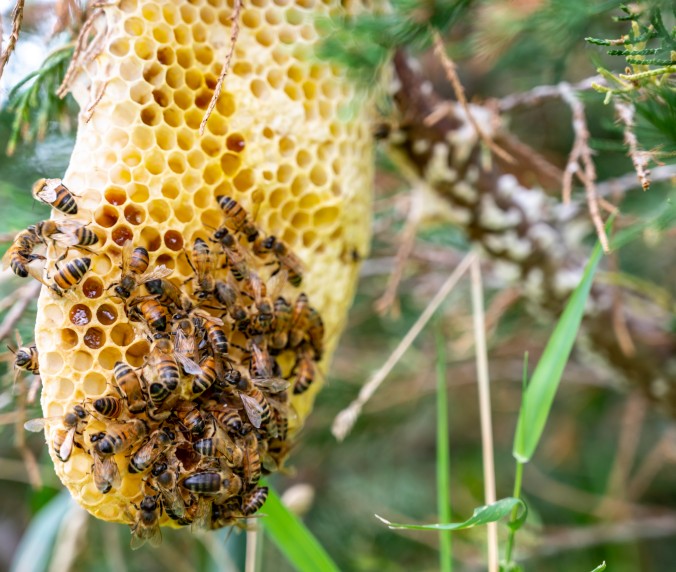
This page is focused specifically on the honeybee extraction process. For general honeybee service information, our main honeybee removal page can cover the broader service. This page is designed to explain what actually happens when a honeybee colony has built inside a structure and needs to be removed properly.
If you have honeybees entering your home or building, call Animal Remover at 513-324-9453.
Honeybee colony extraction is very different from simply spraying bees or knocking down a visible nest. When honeybees are living inside a wall, floor, roof cavity, fireplace chase, soffit, or other structural void, the entire colony needs to be addressed.
That means removing:
Animal Remover focuses on removing the colony as completely as possible while saving and relocating the bees whenever possible.
Call 513-324-9453 for honeybee extraction and honeybee colony removal in Cincinnati and surrounding areas.
Before we cut into a wall, floor, or roof cavity, Animal Remover locates the hive using exterior inspection, bee flight patterns, thermal imaging, and borescope inspection. This helps us plan the safest access point and understand how far the colony extends inside the structure.
When interior access is required, we contain the work area, protect floors and carpet, and remove bees with a no-kill bee vacuum while saving brood, separating honey comb, and searching for the queen whenever possible.
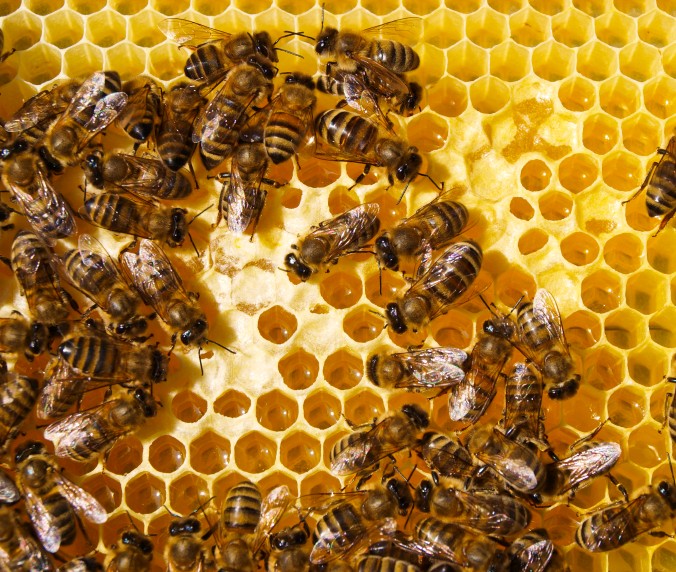
Honeybee colonies can extend into:
Step 1: Locating the Honeybee Hive
The first step in our honeybee colony removal process is locating the hive.
The entry point does not always show the exact hive location. Bees may enter through siding, brick, trim, soffit, roofline, fascia, a chimney chase, or a small construction gap, then travel inside the structure to build the colony in a hidden void.
Animal Remover inspects the outside of the structure first. We look at bee flight patterns, entry points, exterior gaps, and the areas where bees are entering and exiting. This helps us narrow down where the colony may be located.
Once we identify the likely hive area, we move into a more detailed inspection.
Step 2: Thermal Imaging Inspection
Animal Remover uses a thermal imager to help locate honeybee colonies inside structures.
Honeybee colonies produce heat, especially around the brood area where the developing bees are located. Thermal imaging helps us identify warm areas inside walls, floors, roof cavities, and other hidden spaces.
Thermal imaging can help us inspect areas such as:
This allows us to better understand where the hive is located before we begin cutting into the structure.
Step 3: Borescope Inspection
Animal Remover may also use a borescope during the inspection process.
A borescope allows us to look inside a hidden void through a small inspection opening. This can help us determine the extent of the hive and confirm what is behind the wall, floor, ceiling, roof cavity, or chase.
The borescope inspection may help us determine:
This inspection phase helps us plan the extraction before opening the structure.
Step 4: Choosing the Best Access Point
After locating the hive, Animal Remover determines the best way to access it.
We typically begin with an exterior inspection and, when possible, exterior access. In some cases, the hive can be reached by removing siding, soffit material, roof decking, or another exterior component.
In other cases, interior access is the better or only practical option. This depends on the structure, the location of the hive, and how the colony has built inside the void.
Some honeybee colonies are located:
The process varies depending on the structure. A hive between floors is removed differently than a hive attached to roof decking. A hive in a fireplace chase is different from a hive in a wall void. The goal is always the same: access the colony safely, remove the hive completely, protect the structure, and relocate the bees whenever possible.
Animal Remover does not smoke beehives that are inside homes, walls, floors, roof cavities, chase voids, or other structural spaces.
Smoke may be used in some beekeeping situations, but a honeybee colony inside a structure is different. Blowing smoke into a wall, floor, roof, soffit, or fireplace chase can send hot embers into hidden cavities. Those embers can create a fire risk inside the structure.
Because of that, Animal Remover does not smoke structural honeybee hives.
Instead, we rely on controlled containment, careful access, thermal imaging, borescope inspection, a no-kill battery-powered bee vacuum, brood preservation, queen handling, hive removal, cleaning, sealing, and relocation.
Step 5: Interior Preparation and Containment
When the extraction must be performed from inside the home, Animal Remover begins with a detailed preparation phase.
Honeybee extraction can involve live bees, wax, honey, comb, debris, and access work. Before opening a wall, floor, or ceiling, we protect the customer's home and isolate the work area.
Our interior preparation may include:
The zip wall system helps contain the room where the extraction is taking place. The sticky plastic helps protect carpet, flooring, and walking paths so honey and debris are not tracked through the home.
This preparation phase is a major part of the process because it helps keep the extraction clean, controlled, and organized.
Step 6: Example Process for Bees Between the First and Second Floor
One example of a structural honeybee colony is a hive located between the first and second floor of a home.
In this type of situation, Animal Remover may access the hive from inside the home through the floor.
The process may include pulling back the carpet in the room where the extraction will take place. After the carpet is pulled back, we use the thermal imager again to pinpoint the hive location under the floor.
Next, we use a stud finder to locate the floor joists. Once the joists are located, we remove nails in the subfloor above the joists so the access area can be opened cleanly.
We then cut a clean square or rectangular opening in the subfloor. We mount two handles to the plywood subfloor section so that piece can be lifted out carefully. This allows us to expose the hive while preserving the subfloor section so it can be put back into place later.
This is only one example of the process. The access method changes depending on where the honeybee colony is located.
Step 7: Exposing the Hive
Once the access panel is removed, the hive is exposed.
At this stage, bees may try to move into surrounding cavities, cracks, joist bays, and hidden voids. Animal Remover works quickly and carefully to contain the bees as much as possible.
As soon as the hive is exposed, we may apply Bee-Quick in areas where the bees may try to take shelter. We may also pack fiberglass insulation into areas where we believe the bees may attempt to move.
This helps keep the colony concentrated in the work area so we can remove the bees, comb, brood, and honey more effectively.
Step 8: Removing Bees With a No-Kill Bee Vacuum
Animal Remover uses a no-kill, battery-powered bee vacuum during the honeybee extraction process.
The bee vacuum allows us to collect live bees and place them into a controlled container for relocation. As we remove sections of comb, we vacuum bees from the hive area.
During this step, we are doing several things at once:
The bee vacuum is an important part of our humane honeybee extraction process because it allows us to save as many bees as possible.
Step 9: Searching for the Queen
Throughout the extraction, Animal Remover looks for the queen.
The queen is the center of the colony. If she can be located and saved, the relocated bees have a better chance of staying together and continuing as a functioning hive.
As we remove comb and vacuum bees, we continue watching for the queen. When the queen is found, she is placed into a queen cage so she can be safely introduced into the new hive setup later.
The goal is to keep the colony with the queen after relocation.
Step 10: Saving the Brood
One of the most important parts of honeybee colony extraction is saving the brood.
Brood means the developing bees inside the comb. This includes eggs, larvae, pupae, and bees that are getting ready to emerge.
Animal Remover removes sections of brood comb and places them into standard beehive frames. Those frames are then placed into a brood box so the colony can continue caring for the developing bees after the relocation.
This is one of the biggest differences between true honeybee colony extraction and basic bee removal. We are not just removing adult bees. We are preserving the important parts of the colony so the hive has a better chance to survive.
Step 11: Removing Honey and Wax Comb
Honey and wax comb must be removed from the structure.
If honey is left inside a wall, floor cavity, roof cavity, chase void, or dead space, it can create problems. Honey can leak, ferment, stain building materials, attract ants, attract other insects, attract rodents, and create odor issues.
During the extraction, Animal Remover separates honey comb from brood comb. The honey is placed into a separate container. We do not typically transport large amounts of honey inside the brood box with the hive. Instead, the honey is sealed in buckets and may be introduced back to the bees later in controlled amounts.
This helps reduce mess during transport and gives the bees a chance to reclaim the honey after they are relocated.
Step 12: Repeating the Removal Process Until the Hive Is Cleared
Honeybee extraction is a careful, repetitive process.
Animal Remover removes comb, vacuums bees, searches for the queen, saves brood, separates honey, and continues working through the hive until the accessible hive material is removed.
This process continues until:
Some hives are compact. Others may extend through multiple areas inside the structure. That is why proper inspection and careful removal are so important.
Step 13: Sealing the Exterior Entry Point at the Correct Time
Once the hive is mostly removed and we believe we are close to having the bees vacuumed, Animal Remover seals the exterior entry point.
This step must be done at the right time.
If the entry point is sealed too early, bees can become trapped inside the structure and may move deeper into the home. If the entry point is left open too long, returning field bees may continue entering the void.
By sealing the entry point during the correct stage of the extraction, we stop returning bees from re-entering the structure.
After the entry point is sealed, field bees and foraging bees that were away from the hive may return and gather on the outside of the building near the original entrance. Animal Remover then vacuums those bees from the exterior so they can be added to the relocated colony.
Step 14: Scraping the Void
After the bees, brood, honey, and wax comb are removed, Animal Remover scrapes down the affected void.
This may be a wall void, floor cavity, roof cavity, fireplace chase void, or other structural area.
Scraping helps remove remaining wax, propolis, hive residue, and organic material. This is important because leftover hive material can attract pests, create odors, and increase the chance of future bee interest in the same area.
Step 15: Deodorizing, Disinfecting, and Sanitizing
Once the hive material has been removed, Animal Remover deodorizes, disinfects, and sanitizes the void.
We use a DSV solution as part of this process. The goal is to clean the area, address odor, and reduce contamination left behind by the colony.
This step is important because the hive may have contained wax, honey, brood, moisture, bee residue, and organic material. Removing the hive is only part of the job. The void also needs to be cleaned and treated appropriately after the colony is gone.
Step 16: Treating the Empty Void When Appropriate
Animal Remover does not spray the live honeybee colony as the removal method.
However, after the bees and hive material have been removed, the empty void may be treated when appropriate. This is done after live removal and after the comb, honey, and brood have been cleared from the structure.
We may treat the empty wall void, floor cavity, roof cavity, or structural space with a dust insecticide to help reduce future insect activity and help prevent secondary pest issues.
This step is part of prevention after the honeybee colony has already been removed.
Step 17: Insulating the Void
After the void has been cleaned, deodorized, sanitized, and treated when appropriate, Animal Remover insulates the cavity.
Insulating the void helps restore the space and reduce open dead areas where future pests may attempt to enter or nest. It also helps return the area closer to its original condition.
Step 18: Reinforcing and Restoring the Access Area
If the hive was accessed through the floor, Animal Remover reinforces the floor and replaces the subfloor section.
Using the example of bees located between the first and second floor, we may:
Our goal is to restore the access area as closely as possible after the colony has been removed.
The exact restoration process depends on where the hive was located and how the structure had to be accessed.
Step 19: Vacuuming Field Bees From the Outside
After the entry point is sealed, returning field bees often collect on the outside of the structure. These are bees that were out foraging while the cutout was taking place.
Since they can no longer enter the original hive opening, they gather near the former entrance.
Animal Remover vacuums those bees from the outside of the building and adds them to the bees being relocated. This helps collect more of the original colony and reduces lingering bee activity around the home or business.
Step 20: Protecting the Brood, Bees, and Honey During Transport
Once the bees are removed from the structure, Animal Remover prepares the colony for transport.
The brood box containing the saved brood is protected so it maintains a good temperature. When appropriate, it may be kept in direct sun so the developing brood does not get too cold.
The live bees collected in the bee vacuum are placed in an air-conditioned vehicle so they do not overheat.
The honey is sealed in buckets and transported separately. Keeping the honey separate helps reduce mess and allows us to introduce the honey back to the bees later in controlled amounts.
At this stage, the bees have been removed, the hive material has been removed, the entry point has been sealed, and the colony is ready to be relocated.
Step 21: Full Home Seal-Up
After the honeybee colony has been removed, Animal Remover can perform a full home seal-up.
The purpose of a full home seal-up is to close the gaps, cracks, and openings that allowed bees or other pests to enter the structure.
This may include sealing:
Removing the hive solves the current problem. Sealing the home helps reduce the chance of future bee activity or other pest entry.
Step 22: Relocating the Bees to a Honeybee Farm
Animal Remover has a relationship with a honeybee farm where removed honeybee colonies can be donated whenever possible.
Once the bees are removed from the property, they are transported to the honeybee farm and introduced into a hive setup.
The relocation process may include placing the saved brood comb into standard hive frames and placing those frames into a brood box. If the queen was located, she is placed in a queen cage inside the box before the bees are introduced.
The bees from the bee vacuum are then placed into the brood box with the queen and brood. The lid is closed quickly, and mesh is placed over the entrance.
The mesh helps keep the bees in place while they become familiar with the queen and the new hive setup. After about 24 hours, the queen can be released and the mesh can be removed from the entrance.
The hope is that the relocated colony stays with the queen, continues caring for the brood, and grows into a functioning hive.
Step 23: Reintroducing Honey to the Hive
After relocation, Animal Remover may introduce the removed honey back to the hive in small amounts.
The honey can be placed near the hive so the bees can take it and refill cells. This gives the colony access to its own resources without requiring the bees to immediately make long foraging trips after relocation.
The honey is introduced carefully and in manageable amounts.
Not every honeybee extraction is performed through a floor or wall.
Sometimes bees build in the roof cavity of an addition. In these cases, the hive may be hanging directly from the plywood decking of the roof structure.
When this happens, Animal Remover may need to access the hive from the outside by removing shingles and roof decking.
A roof cavity honeybee extraction may include:
Roof cavity hives can be complex because the hive may be attached to decking or extend through difficult spaces. Complete removal is important so honey, wax, brood, and bee residue are not left behind.
Honeybees commonly build inside wall voids.
They may enter through a small exterior gap and then build the hive behind drywall, siding, brick, or trim.
Signs of a wall void colony may include:
Wall void honeybee extraction may require exterior or interior access depending on where the hive is located. The hive must be removed completely to help prevent odor, honey leaks, stains, pest attraction, and future bee activity.
Honeybees may also build colonies inside fireplace chase voids, chimney chase voids, and dead spaces.
These areas can be difficult because the colony may spread into a large hidden cavity. The bees may enter from one area but build in another section of the chase or dead space.
Animal Remover uses inspection tools such as thermal imaging and borescope equipment to determine where the colony is located before starting the cutout.
Complete hive removal is especially important in these areas because leftover honey and wax can remain hidden and create long-term odor or pest problems.
Honeybee colony removal is not complete if the comb is left behind.
The hive material may contain:
If this material is left inside the structure, it can create problems even after the bees are gone.
Leftover hive material can:
That is why Animal Remover focuses on full honeybee extraction and honeybee colony removal instead of simply killing or chasing away the bees.
If you see bees entering a hole in your home, do not seal the hole while the colony is active.
Sealing the entry point too early can trap bees inside the wall, roof, floor, or chase. When bees cannot exit through the original opening, they may move deeper into the structure or begin appearing inside the living space.
Animal Remover seals the entry point during the correct part of the extraction process, after the colony has been accessed and the bees are being removed.
Do-it-yourself spraying can make a honeybee colony problem worse.
Spraying may kill bees near the entrance, but it does not remove the hive. If the colony dies inside the structure, dead bees, brood, honey, wax, and comb can remain in the wall, roof, floor, or chase.
That can lead to odor, honey leaks, stains, secondary pests, and a much larger cleanup issue.
Animal Remover's honeybee extraction process is designed to remove the entire colony and the hive material, not just stop the visible bee activity.
Do not attempt to smoke bees out of a wall, roof cavity, floor cavity, soffit, or fireplace chase.
Smoke inside a structure can create a fire risk. Hot embers can travel into wall voids, insulation, roof cavities, and dead spaces.
Animal Remover does not smoke beehives inside structures. We use controlled extraction methods that are designed for structural honeybee colony removal.
Call Animal Remover at 513-324-9453 if you notice:
The sooner the colony is inspected, the easier it may be to remove before the hive grows larger.
Animal Remover provides honeybee extraction and honeybee colony removal for residential and commercial properties throughout Cincinnati and surrounding areas.
We remove honeybee colonies from:
Whether the hive is in a wall, floor, roof, soffit, chase, or other hidden cavity, Animal Remover can inspect the structure and create a removal plan.
Until Animal Remover arrives, avoid disturbing the colony.
Do not spray the bees. Do not smoke the bees. Do not seal the entry hole. Do not cut into the wall, floor, roof, or chase yourself. Keep children and pets away from the area. Watch the bee activity from a safe distance only if needed.
Animal Remover is not a medical provider. If someone has been stung and is experiencing difficulty breathing, swelling of the face or throat, chest pain, dizziness, hives, nausea, or other concerning symptoms, seek medical attention immediately.
For other stinging insect problems, visit our related pages:
Call Animal Remover for Honeybee Extraction: 513-324-9453
A honeybee colony inside a structure needs a complete removal process. The bees, queen, brood, wax, honey, comb, hive material, odor, residue, and entry point all need to be addressed.
Animal Remover provides detailed honeybee extraction and honeybee colony removal in Cincinnati and surrounding areas.
Call 513-324-9453 now for honeybee colony extraction.
Honeybee extraction is the process of removing an entire honeybee colony from a structure. This may include locating the hive, accessing the cavity, vacuuming live bees, finding the queen, saving brood, removing honey and wax, cleaning the void, sealing the entry point, and relocating the colony.
Honeybee colony removal means removing the full colony system, not just the visible bees. This includes the live bees, brood, comb, honey, wax, and hive material inside the structure.
Animal Remover uses exterior inspection, bee flight patterns, thermal imaging, and borescope inspection to help locate the hive and determine how far it extends.
Thermal imaging helps locate warm areas inside walls, floors, roofs, and chase voids. Honeybee colonies produce heat, especially around the brood area, so thermal imaging can help identify the hive location before cutting begins.
A borescope inspection allows us to look into hidden cavities through a small inspection point. This helps us determine the size, location, and extent of the hive.
No. Animal Remover does not smoke honeybee hives inside structures. Smoke can blow hot embers into walls, floors, roof cavities, insulation, and dead spaces, creating a fire risk.
Animal Remover does not spray the live honeybee colony as the removal method. We focus on live extraction and relocation whenever possible. After the colony and hive material are removed, the empty void may be treated when appropriate to help prevent future insect activity.
When we locate the queen, we place her in a queen cage and introduce her into the relocated hive setup. Keeping the queen helps the colony stay together.
Brood comb is placed into standard beehive frames and added to a brood box. This helps the developing bees continue after relocation.
Honey is removed from the structure and sealed in separate buckets. It may later be introduced back to the bees in small amounts after relocation.
Yes. Removing the wax comb is a major part of the process. Wax, honey, brood, and hive material should not be left inside the structure.
The void needs to be cleaned because leftover wax, honey, bee residue, brood, and odor can attract pests, create smells, stain materials, and attract future bee activity.
Yes. Animal Remover seals the exterior entry point during the correct stage of the extraction process. We can also perform a full home seal-up to help prevent future pest entry.
Yes. If bees are located between the first and second floor, Animal Remover may pull back the carpet, locate the hive with thermal imaging, identify joists, cut a clean subfloor access panel, remove the hive, and restore the access area.
Yes. If bees are located in a roof cavity or addition, Animal Remover may access the hive by removing shingles and roof decking to reach the comb attached to the roof structure.
Yes. Animal Remover removes honeybee colonies from fireplace chase voids, chimney chase voids, and other dead spaces.
Animal Remover relocates removed honeybee colonies to a honeybee farm whenever possible. The bees, queen, and brood are introduced into a hive setup so the colony has the opportunity to continue.

 Animal Remover Wildlife Management and Pest Control